
Tips to Avoid Credit Card Debt and Maintain a Healthy Budget
The Importance of Financial Empowerment
Managing your finances can sometimes feel overwhelming. With credit cards offering instant gratification, it’s easy to fall into the trap of debt. But taking control of your financial health is not only possible, it’s empowering. Every step towards understanding your finances brings you closer to financial freedom, and ultimately, a more secure and fulfilling life.
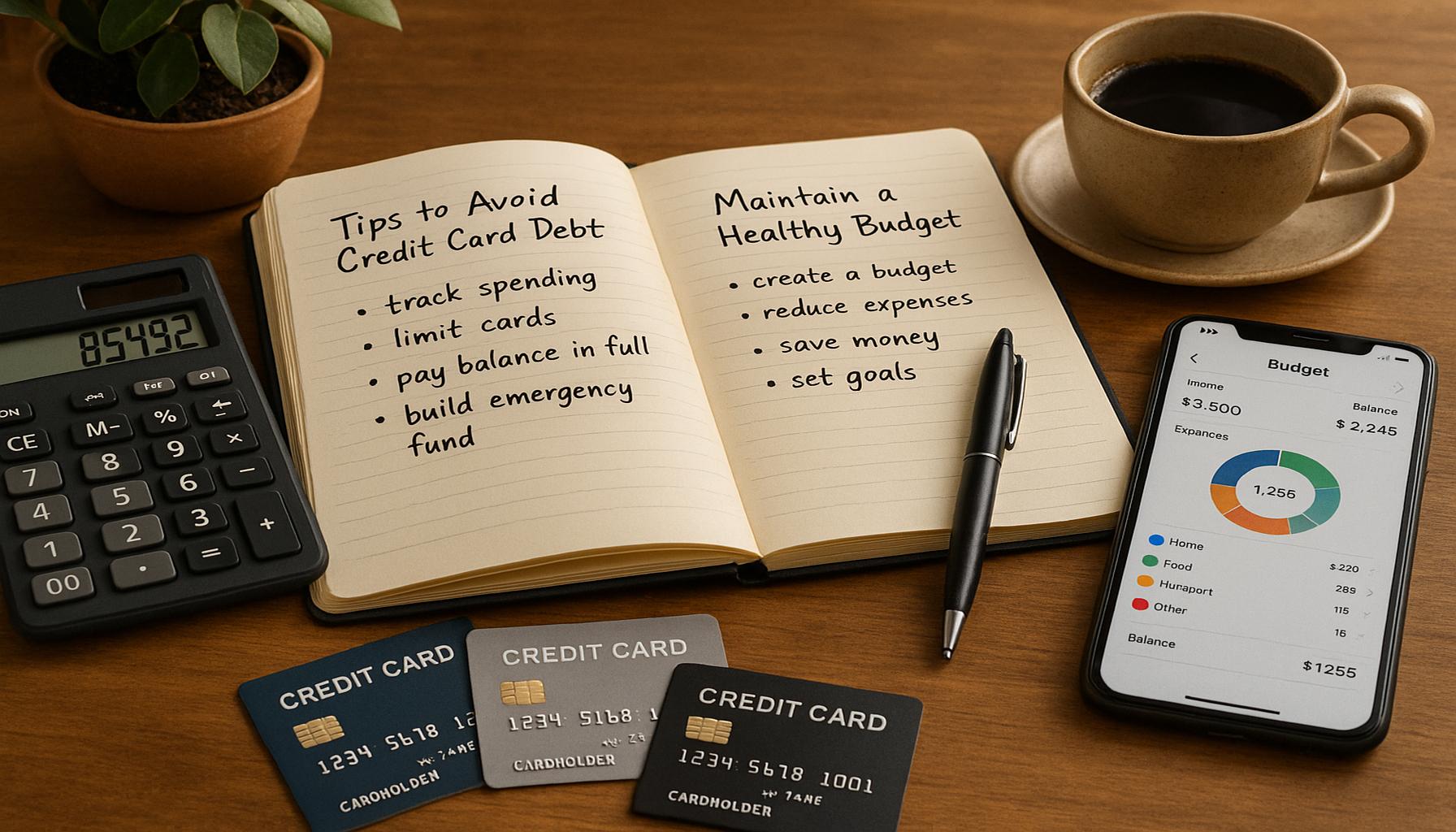
By developing a solid budget and practicing mindful spending, you can pave the way for a brighter financial future. A budget acts as a roadmap, helping you navigate your income and expenditures effectively. The key lies in knowledge and discipline. This is not merely about restricting your spending; it is about making informed choices that will benefit your long-term financial well-being. Here are some critical tips to help you steer clear of credit card debt:
- Create a budget: Start by listing your income sources and monthly expenses, categorizing them into fixed and variable costs. This process allows you to pinpoint areas where you can cut back, such as dining out or subscription services.
- Track your spending: Utilize apps or simple spreadsheets to keep an eye on where your money goes each month. Discovering patterns can inform smarter spending habits—maybe you will realize that those daily coffee runs are adding up more than you’d like.
- Limit credit usage: Only use credit cards for planned purchases and avoid impulse buys. Setting a rule, like waiting 24 hours before making a purchase, can help curb unnecessary spending.
- Build an emergency fund: Aim to save at least three to six months’ worth of expenses. This cushion can empower you to handle unexpected financial setbacks without resorting to credit cards.
By following these steps, you can cultivate a healthy relationship with your finances. Whether you dream of homeownership, travel, or simply the peace of mind that comes with financial stability, intentional choices are the foundation upon which you build your future. Consider joining a financial literacy workshop or reading personal finance books to deepen your knowledge.
Embrace this journey towards financial health, and watch your confidence grow as you gain control over your spending patterns. The path may not always be smooth, but with commitment and perseverance, you can achieve a debt-free lifestyle. Remember, every small decision you make today adds up to significant changes in your financial future. Begin this empowering venture, and you’ll soon set yourself on the path to financial freedom, enabling you to enjoy the life you’ve always wanted.
DISCOVER MORE: Click here to learn how to apply
Practical Steps Towards Financial Stability
Establishing an effective budget is the cornerstone of financial wellness. It empowers you to track your income and expenses, providing clarity and purpose to your financial decisions. To create a robust budget, begin by identifying your income sources, including your salary, any side hustles, and other earnings. Next, categorize your expenses into fixed and variable costs. Fixed costs include ongoing monthly commitments, such as rent or mortgage, insurance, and utility bills. Variable costs may include groceries, entertainment, and other discretionary spending. By organizing your finances, you not only gain control but also insight into where your money is going each month.
Consider the following key components for a successful budgeting strategy:
- Prioritize needs over wants: Differentiate between essential expenses and those that can wait. This mental shift helps you focus on what truly matters while avoiding unnecessary expenditures.
- Set savings goals: Allocate a specific amount for savings each month, treating it as a necessary expense to ensure you are working toward your financial future. Goals can include building an emergency fund, saving for a vacation, or contributing to retirement accounts.
- Review and adjust regularly: Life can be unpredictable, so it’s important to revisit your budget on a monthly or quarterly basis. Adjust your spending categories based on changes in income or unexpected expenses, ensuring your budget remains reflective of your current situation.
Tracking your spending diligently is another critical strategy to avoid credit card debt. By utilizing budgeting apps or simple spreadsheets, monitor your daily and monthly expenditures. This practice not only sharpens your awareness of spending habits but also reveals potential areas for improvement. You might discover that those frequent takeout meals are accumulating a significant portion of your budget by the end of the month. This insight enables you to opt for healthier and more cost-effective meals at home, saving more money in the process.
Another useful tip is to limit credit card usage. Credit cards can be beneficial for building credit and earning rewards, but their convenience can lead to unplanned expenses. Be mindful of how and when you use your credit card. Establish a rule that aligns with your budgeting goals—perhaps waiting 24 hours before making any larger purchases. This pause can provide the clarity needed to determine if the purchase aligns with your essentials and savings goals, rather than succumbing to impulse buying.
By embracing these practical and mindful strategies, you can cultivate a stronger, healthier relationship with your finances. The journey towards maintaining a balanced budget and avoiding credit card debt starts with small, intentional decisions that build upon each other over time. Remember, the aim is not just to cut back but to create a lifestyle that prioritizes financial stability and long-term growth.
DON’T MISS OUT: Click here to unlock your rewards
Building Good Habits for Financial Success
Beyond budgeting and tracking expenses, establishing good financial habits is vital in safeguarding yourself from falling into credit card debt. One of the most effective strategies is to automate your savings and bill payments. By setting up automatic transfers to your savings account and scheduling bill payments, you ensure that your savings goals are consistently met, and you mitigate the danger of incurring late fees. This approach also reduces the temptation to spend what you might otherwise have directed toward savings, reinforcing a disciplined financial lifestyle.
While automation is beneficial, practicing mindful spending is equally important. Before making any purchase, especially those that might not be necessary, ask yourself a series of reflective questions: Is this a need or a want? Will this improve my quality of life significantly? Can I find a less expensive alternative? This habit encourages a thoughtful approach to your purchasing decisions, steering you away from impulse buys that can easily rack up credit card debt.
Additionally, consider adopting the 50/30/20 rule, a popular budgeting framework that can simplify your financial planning and help achieve your goals. This rule suggests allocating 50% of your after-tax income to needs, 30% to wants, and 20% to savings and debt repayment. Following this guideline ensures a balanced approach to managing your finances while allowing for some discretionary spending—essential for maintaining a healthy lifestyle and preventing resentment toward budgeting.
Another powerful strategy is to build a buffer into your budget. Life is unpredictable, and unforeseen expenses can easily catch you off guard. By allocating a small portion of your budget to a ‘buffer’ category, you can cushion the impact of these surprises without the need to revert to credit cards to cover unexpected costs. This practice not only keeps your budget on track but also equips you with the peace of mind that comes from being prepared for life’s little surprises.
If you do find yourself in a situation where credit card debt becomes inevitable, remember to strategize your repayments intelligently. Focus on paying off high-interest cards first while maintaining minimum payments on others. This method, known as the avalanche technique, helps minimize interest expenses over time and accelerates your journey to being debt-free. Alternatively, if motivation is what you need, consider the snowball method—paying off the smallest debts first. This can give you quick wins and boost your confidence as you tackle larger debts.
Finally, educate yourself continuously about personal finance. Knowledge is a powerful tool in your financial arsenal. Explore resources such as books, podcasts, and online courses that delve into various aspects of managing money, investing, and building wealth. Empowering yourself with financial literacy not only cultivates better decision-making skills but also strengthens your confidence to navigate the complexities of financial management effectively.
By cultivating these habits and principles, you create a fortress against the temptations of credit card debt while moving toward a healthier financial future. Each small step you take towards responsible financial management builds a solid foundation for long-term success and prosperity.
LEARN MORE: Click here to dive deeper
Embracing Financial Freedom
In conclusion, avoiding credit card debt and maintaining a healthy budget is not just about numbers—it’s about creating a lifestyle that prioritizes your financial well-being. By implementing the strategies outlined in this article, you empower yourself to take control of your finances. Automating savings and bills, practicing mindful spending, and adopting effective budgeting techniques like the 50/30/20 rule can greatly enhance your ability to manage your resources wisely.
Additionally, building a buffer into your budget prepares you for unexpected expenses, ensuring that you don’t resort to credit cards during moments of financial stress. When debt does arise, approaching repayments with a clear strategy will not only minimize interest but also restore your financial peace of mind. Remember, financial education is an ongoing journey—investing time in your financial literacy can transform your understanding and management of money.
It’s essential to recognize that every small decision contributes to your overall financial health. As you cultivate these habits, you are laying the groundwork for a future free from the burdens of credit card debt. With patience, persistence, and a proactive approach, you’ll find yourself not only avoiding debt but also thriving financially. Embrace your path to financial freedom, knowing that each step you take today sets the stage for a brighter, more secure tomorrow.
Related posts:
How Credit Cards Can Help Finance Small Businesses
How to Apply for the Capital One Venture X Credit Card Easily
How to Apply for the Bank of America Premium Rewards Credit Card
How to Apply for the American Express Gold Credit Card Step-by-Step Guide
How to Apply for Chase Freedom Unlimited Credit Card Easy Guide
How to Apply for Banana Republic Rewards Mastercard Credit Card

Linda Carter is a writer and financial expert specializing in personal finance and financial planning. With extensive experience helping individuals achieve financial stability and make informed decisions, Linda shares her knowledge on the our platform. Her goal is to empower readers with practical advice and strategies for financial success.