
The Role of Credit in Debt Management: How to Maintain a Healthy Score
Why Credit Matters
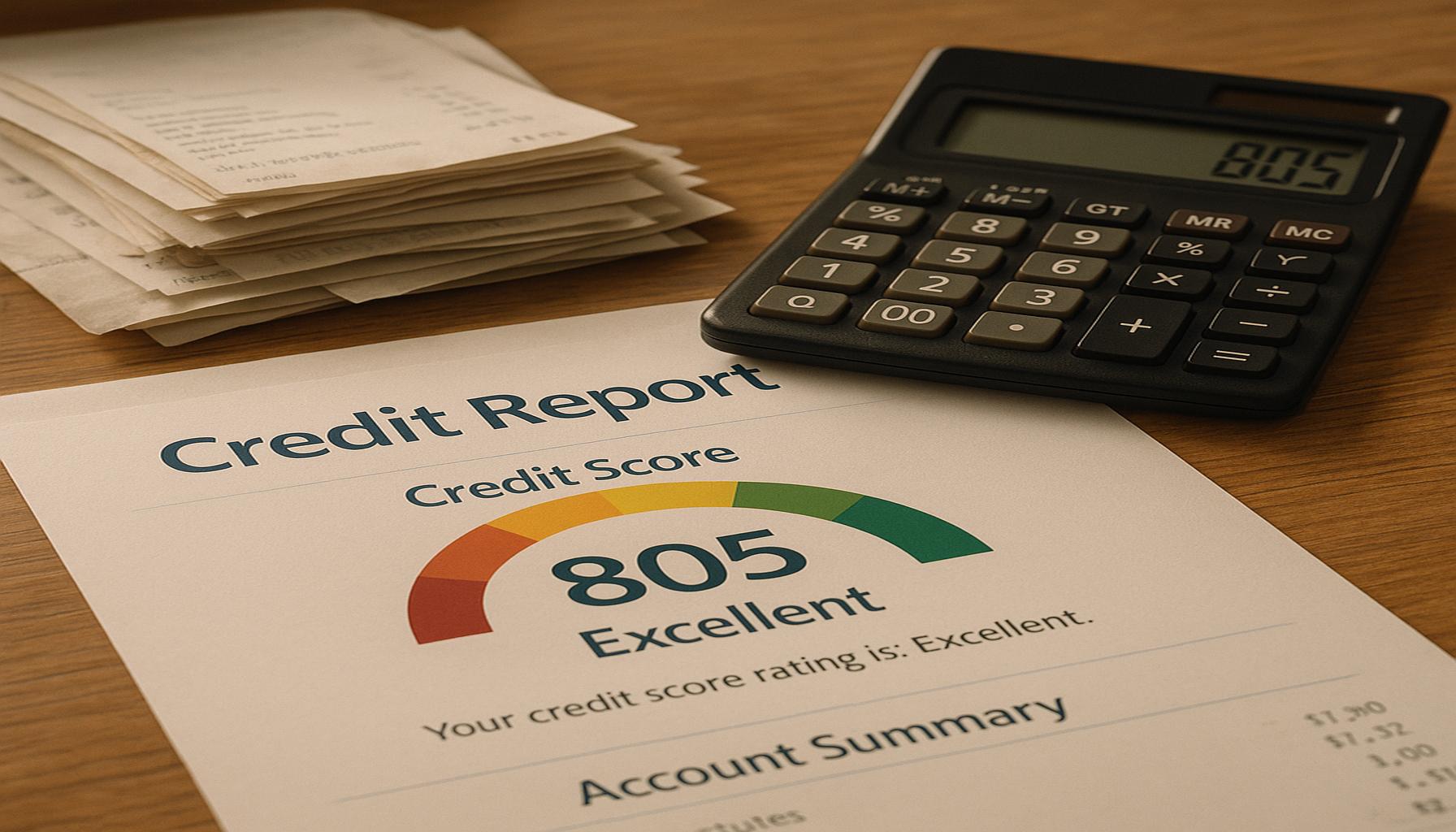
In today’s fast-paced financial landscape, understanding credit is not just beneficial; it’s essential. Credit encompasses not only your ability to borrow money but also the broader implications it has on your financial opportunities. A good credit score can serve as a powerful tool, unlocking doors to significant life-changing opportunities, whereas poor credit can feel like a heavy anchor, holding you back. By grasping the importance of credit and how to manage it wisely, you stand a better chance of achieving your financial dreams.
Your credit score plays a pivotal role in various aspects of your financial life. When lenders evaluate your creditworthiness, your score acts as their guideline. A healthy credit score can lead to numerous advantages such as:
- Lower interest rates on loans and credit cards, which can save you thousands over the course of your financial dealings. For instance, borrowers with good credit scores often enjoy interest rates as low as 3% on mortgages compared to 7% for those with lower scores.
- Higher chances of loan approval, especially for significant purchases like homes and cars. If you’ve ever faced the disappointment of a denied loan application, you know how crucial a solid credit score can be.
- Better insurance premiums in certain states, as some insurers consider credit scores when calculating rates, impacting everything from auto to home insurance.
On the flip side, having poor credit can create a cloud of missed opportunities and increased financial burdens. For example, individuals with low credit scores may find it challenging to secure a rental agreement or may need to pay security deposits that others can avoid. These realities emphasize the urgency of maintaining a strong credit score through sound debt management practices.
Taking Control of Your Credit
Improving your credit score isn’t an insurmountable task; it simply requires knowledge and dedication. Monitoring your credit report is the first step. By regularly reviewing your report, you can identify inaccuracies or areas for improvement. The three major credit bureaus—Equifax, Experian, and TransUnion—provide free access to your credit report once a year, allowing you to keep tabs on your financial standing.
Next, it’s vital to understand the factors influencing your credit score, including payment history, credit utilization ratios, and the length of your credit history. Each of these elements carries weight, and making small adjustments can create a significant impact over time.
Finally, implementing effective strategies to improve your score involves diligent practices. This includes making timely payments, keeping credit card balances low, and avoiding the temptation to open multiple credit accounts at once. By consistently following these strategies, you can gradually enhance your credit profile, leading to more favorable terms for loans and credit in the future.
Equipped with insights and strategies, you not only regain control over your financial destiny but also empower yourself to navigate the path of responsible debt management. Taking proactive steps today can lead to a brighter, more secure financial future tomorrow. The journey may be challenging, but the rewards of understanding and mastering your credit are undeniably worth the effort.
DIVE DEEPER: Click here to learn how to apply
Understanding the Foundations of Your Credit Score
To navigate the complexities of credit and debt management effectively, it’s essential to start with a clear understanding of what comprises your credit score. In the United States, FICO scores typically range from 300 to 850, with scores above 700 generally classified as good. This numerical representation is not just a random figure; it’s a reflection of your financial behavior and can significantly influence your ability to access credit and the terms you secure. Knowing the components that contribute to your score equips you with the actionable knowledge you need to improve your financial standing.
The following five factors play a crucial role in determining your credit score:
- Payment History (35%): Your record of on-time payments is the most significant factor affecting your credit score. Late payments, defaults, and bankruptcies have a detrimental impact, so prioritizing bill payments can greatly enhance your score.
- Credit Utilization (30%): This reflects the ratio of your outstanding credit card balances to your total available credit limits. Maintaining a utilization rate below 30% is advisable to demonstrate that you’re not overly reliant on credit, which lenders favor.
- Length of Credit History (15%): The age of your credit accounts matters. A longer credit history can have positive effects on your score, as it shows lenders that you have experience managing credit responsibly.
- Types of Credit in Use (10%): A healthy mix of credit types—such as credit cards, mortgages, and installment loans—can positively influence your credit score. This variety shows lenders that you can handle different types of credit successfully.
- New Credit (10%): Opening multiple new accounts in a short period can signal financial distress, which may lower your score. It’s important to be strategic and measured when applying for new credit.
Once you understand these components, it becomes clear that taking proactive steps to enhance your credit profile is entirely possible. For instance, setting up automatic payments for your bills can help ensure you never miss a due date, positively impacting your payment history. Additionally, reviewing your credit report regularly allows you to spot errors and dispute any inaccuracies, which can further boost your score.
Moreover, as you embark on this journey of credit improvement, it’s empowering to know that small, consistent changes can yield monumental results. Each payment made on time and every effort to lower your credit utilization can contribute significantly to a brighter financial future. Remember, your credit score isn’t just a number; it’s a representation of your financial discipline and an essential part of your overall financial health.
As you familiarize yourself with the foundational elements of credit scores, you will be better positioned to make informed decisions regarding debt management. Leveraging this knowledge not only enhances your credit score but also instills a sense of confidence as you embark on your path toward financial stability and growth.
LEARN MORE: Click here to find out how to apply
Strategies for Strengthening Your Credit Health
With a solid grasp of what shapes your credit score, it’s time to delve into practical strategies that can fortify your credit health and promote responsible debt management. By taking intentional steps to bolster your credit profile, you not only enhance your credit score but also elevate your overall financial wellbeing.
One essential strategy is to incorporate budgeting into your financial routine. By creating a detailed budget, you can gain clarity on your income and expenditures, and establish a plan for paying down debt effectively. Allocate a portion of your income to debt repayment each month, ensuring that you prioritize paying off high-interest debts first—like credit cards—to minimize interest charges while improving your score. Apps like Mint or You Need A Budget (YNAB) can assist in tracking your spending and savings, allowing you to allocate funds more efficiently.
Another vital control measure is to maintain your credit accounts actively. Even if you pay off your balances in full each month, letting an account sit inactive can negatively impact your credit utilization ratio and length of credit history. Incorporating small, regular charges on your credit cards—such as groceries or utility bills—can keep these accounts active while demonstrating responsible credit usage. Just be sure to pay off the balance in its entirety each month to avoid interest accrual.
- Set up alerts: Many banks allow you to configure alerts that notify you of upcoming payment dates, spending thresholds, or due dates, helping you stay accountable and avoid late payments.
- Consider becoming an authorized user: Engaging with a trusted family member or friend who has a strong credit history can bolster your own score. By becoming an authorized user on their credit card, you benefit from their positive payment history.
While implementing these strategies, it’s essential to be cautious about your credit inquiries. Each time you apply for a new credit line, a hard inquiry occurs on your report, which may slightly impact your score. Instead of applying for multiple credit cards at once, focus on one application at a time, and research card options diligently to ensure compatibility with your credit profile.
Another significant component to consider is debt consolidation. If you find yourself juggling multiple debts, consolidating them into a single loan can simplify your repayment process and often result in lower interest rates. This not only makes payments more manageable but can help improve your credit score over time as you demonstrate responsible borrowing practices.
Finally, educating yourself on your credit report is paramount. Request a free copy of your credit report annually from each of the three major credit bureaus—Equifax, Experian, and TransUnion—at AnnualCreditReport.com. Scrutinize your reports for inaccuracies, such as late payments that were made on time, which can be disputed and corrected, consequently boosting your score.
Adopting these proactive, conscious strategies allows you to take control of your financial destiny. Each step you take to manage your credit and debt better not only reinforces your financial foundation but also empowers you to make informed choices that support a healthier credit score and, ultimately, a more confident financial future.
DON’T MISS: Click here to dive deeper
Conclusion
In conclusion, understanding the role of credit in debt management is pivotal for establishing a solid financial foundation. As we have explored, cultivating a robust credit score is not merely about borrowing; it is fundamentally about making informed and responsible financial decisions. By embracing strategies such as budgeting, maintaining active credit accounts, and practicing vigilant monitoring of your credit report, you are actively participating in a cycle of improving your financial health.
Remember, your credit score is a reflection of your credit behavior and responsible debt management. Taking small, consistent steps can lead to considerable improvements over time. This journey may encompass making timely payments, consolidating debts to simplify your obligations, or even learning from your credit report to eliminate inaccuracies. Each choice you make is an opportunity to strengthen your credit health and enhance your financial security.
Ultimately, the path to a better credit score is a transformative one. It empowers you to take control of your financial future, providing you with the flexibility to pursue your goals—whether that means acquiring a home, financing education, or starting a business. By staying informed, proactive, and committed to your financial wellness, you will not only maintain a healthy credit score but also open the doors to a world of opportunities. The journey starts with you—take that first step today.
Related posts:
The Impact of Interest Rates on Debt Management: How to Protect Your Credit
The Effect of the Pandemic on Americans' Debts: Lessons Learned and Paths to Recovery
Effective Strategies for Paying Off Debt: The American Consumer's Guide
How to Negotiate Debts with Creditors: Practical Tips for Consumers in the USA
The Importance of Financial Education in Debt Prevention: A Path to Financial Freedom
The role of fintechs in the democratization of investments in the United States

Linda Carter is a writer and financial expert specializing in personal finance and financial planning. With extensive experience helping individuals achieve financial stability and make informed decisions, Linda shares her knowledge on the our platform. Her goal is to empower readers with practical advice and strategies for financial success.