
The Pros and Cons of Using Credit Cards to Build Personal Credit
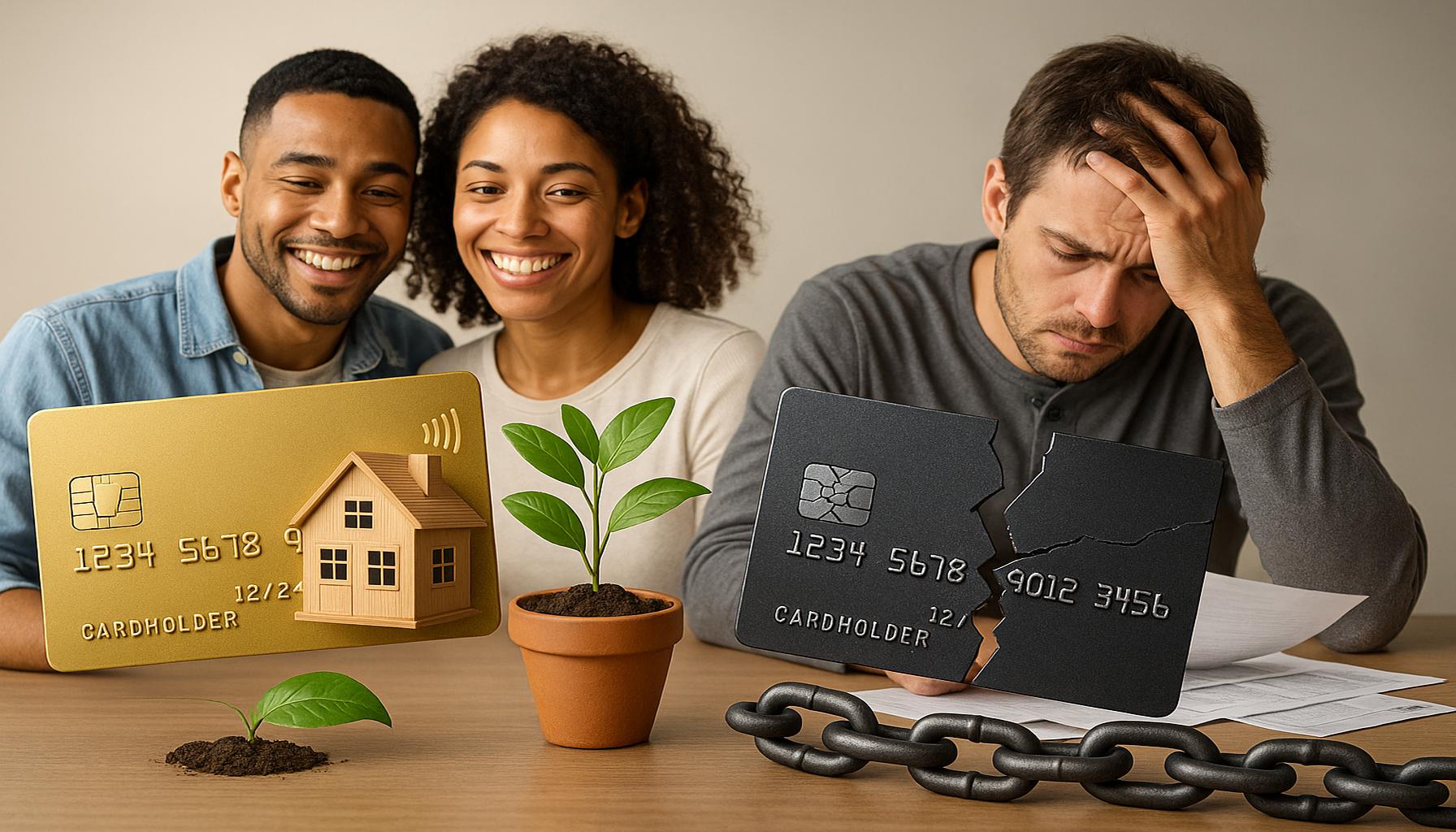
Understanding the Impact of Credit Cards
When it comes to achieving your financial aspirations, gaining knowledge about the tools at your disposal is essential. Credit cards can serve as excellent instruments in your quest to establish and enhance a solid personal credit history. However, it is crucial to recognize both the benefits and the challenges these financial vehicles present.
The Benefits of Using Credit Cards
- Convenient Transactions: One of the most appealing aspects of credit cards is their unparalleled convenience. Making purchases online or in-store has never been easier. Imagine effortlessly buying your favorite dress or booking a vacation flight at the click of a button, all while knowing you can pay it back over time.
- Rewards Programs: Many credit cards come equipped with enticing rewards programs that can significantly enhance your purchasing power. By choosing a card that aligns with your spending habits, you can earn cashback, points, or travel miles on every dime you spend. For example, if you’re an avid traveler, you could accumulate miles faster, resulting in discounted flights or free hotel stays, essentially transforming your everyday spending into valuable travel experiences.
- Credit History Building: Regular, responsible use of credit cards can substantially boost your credit score. Timely payments and maintaining a low balance relative to your credit limit signals to lenders your reliability and financial responsibility. This can open doors to better loan terms on significant purchases like a home or car, impacting your overall financial health.
Potential Drawbacks
- Debt Accumulation: It’s essential to remember that the convenience of credit cards can come with a dark side. High-interest rates can lead to significant debt if balances are not managed judiciously. For instance, carrying a balance of $2,000 at an APR of 20% could cost you over $400 in interest if not paid off within a year.
- Temptation to Overspend: The ease of access to credit can sometimes lead to impulsive spending. When those little purchases pile up—like daily coffee runs or impulse buys—you may find your budget has taken a hit. Recognizing the potential for overspending is the first step in exercising caution.
- Negative Credit Impact: Unfortunately, negative actions can have lasting repercussions. Late payments or high credit utilization ratios can harm your credit score, making it difficult for you to secure future loans or even impacting your insurance rates. Staying vigilant with your payments is crucial in preserving your financial reputation.
As you explore the landscape of credit cards, it’s vital to weigh both the pros and cons carefully. Thoughtful decision-making can empower you on your path toward financial stability and an improved credit history. Remember, every responsible action taken today could have a profound impact on your financial well-being tomorrow. Embrace the power of knowledge, and let it guide you toward a prosperous future.
DISCOVER MORE: Click here to learn how to apply
Navigating the Terrain of Credit Card Use
Establishing a healthy personal credit history is a vital step toward achieving financial goals, from purchasing a home to funding education. Credit cards, when used wisely, can be a powerful tool in this journey. However, understanding their dual nature—both the potential advantages and the risks—is essential for making informed decisions that lead to long-term financial well-being.
Embracing the Advantages
- Financial Flexibility: Credit cards provide a level of flexibility that can help you manage your finances more effectively. Whether it’s handling an emergency expense or making a large purchase, credit cards allow you to access funds quickly. This capability can be especially helpful during unexpected situations, giving you peace of mind and the ability to act swiftly.
- Building a Diverse Credit Profile: Using credit cards contributes positively to your credit mix, which is a factor in your credit score. Having various types of credit—installment loans, retail credit, and revolving credit like credit cards—demonstrates to lenders that you can manage different forms of debt responsibly. This diversity can open doors to better borrowing options and rates in the future.
- Enhanced Financial Management Tools: Many credit card companies offer user-friendly apps that allow you to track your spending, set budgets, and even categorize your expenses. This can empower you to take control of your finances and make informed spending decisions, ultimately leading to smarter financial habits.
Recognizing the Challenges
- Impact on Credit Utilization Ratio: Your credit utilization ratio—the amount of credit you use compared to your total credit limit—is a key factor in your credit score. If you consistently maintain high balances, even if you pay on time, it may negatively impact your credit rating. Aim to keep your utilization below 30% to showcase responsible credit management.
- Potential for Compounding Debt: With the convenience of credit cards comes the risk of accumulating debt. If you’re not careful about paying off balances, you may find yourself trapped in a cycle of high-interest charges. Learning to distinguish between wants and needs will help mitigate this risk, ensuring you use credit cards as a tool for empowerment rather than a source of stress.
- Fees and Penalties: Credit cards may come with various fees, such as annual fees, late payment fees, and foreign transaction fees. These costs can add up quickly if you’re not vigilant about your usage. Keeping an eye on the terms of your credit card agreement and making a note of these charges can help you avoid unnecessary expenses.
The journey towards building personal credit is not one to be taken lightly. It requires a balance of commitment, discipline, and knowledge. By embracing the advantages of credit cards while being aware of their potential pitfalls, you can set the stage for a brighter financial future. Remember, every informed choice made today lays the foundation for tomorrow’s success.
DISCOVER MORE: Click here to learn how to apply
Weighing the Benefits and Risks of Credit Card Usage
While credit cards can be a remarkable asset in your journey to build personal credit, it’s crucial to understand that their success largely depends on responsible usage. The dual-edged nature of credit cards means that awareness of both the potential benefits and the accompanying risks empowers you to harness their power effectively.
Additional Benefits Worth Considering
- Rewards and Incentives: Many credit cards come with attractive rewards programs. From cash back to travel points, these perks can add tangible value to your spending. By choosing a rewards card, you can earn benefits on purchases you already make, essentially turning everyday expenses into future opportunities for savings or experiences.
- Emergency Backup: Life can be unpredictable, and having a credit card can provide a financial safety net during tough times. Whether it’s an unanticipated car repair or a medical expense, being able to rely on your credit card can prevent you from falling into a financial crisis and offer a temporary solution until you can pay it off.
- Purchase Protection: Many credit cards offer built-in purchase protection that covers damaged, stolen, or defective items. This can act as a buffer against loss, giving you peace of mind while making significant purchases. Knowing that you’re safeguarded can encourage more conscious spending, allowing you to take calculated risks when necessary.
Understanding the Consequences
- Long-Term Interest Costs: Credit cards typically have higher interest rates compared to other forms of credit, such as personal loans. If you do not pay off your balance in full each month, the interest on unpaid debts can accumulate rapidly, leading you into a deeper cycle of debt. It’s crucial to develop a payment strategy that prioritizes reducing balances quickly to avoid falling into this trap.
- Risk of Identity Theft: With the convenience of credit cards comes the risk of identity theft and fraud. Should someone access your card information, they could make unauthorized transactions that disrupt your credit journey. Stay vigilant by monitoring your account regularly and using strong passwords, along with enabling alerts for unusual activity.
- Potential for Negative Financial Habits: Relying too heavily on credit cards can foster unhealthy financial behavior, such as impulse buying or living beyond one’s means. Developing a budget and establishing spending goals is key to using credit cards as a tool for progress rather than a pitfall that derails your financial ambitions.
Approaching credit card usage with intention and self-awareness can transform this financial instrument from a potential burden into a beneficial ally in your quest for a strong personal credit profile. Understand the rewards, recognize the risks, and position yourself to make responsible decisions that can lead you toward a more secure financial future.
DISCOVER MORE: Click here to learn how to apply
Final Thoughts on Credit Card Usage for Personal Credit Building
In conclusion, the journey of building personal credit through credit cards is one that holds both opportunity and responsibility. As we’ve seen, using credit cards can offer valuable rewards, serve as a reliable emergency financial backup, and provide purchase protection that enhances your shopping experience. Yet, alongside these benefits, there comes the necessity for caution and diligence to navigate the potential pitfalls of credit card debt, identity theft, and negative spending habits.
To truly harness the power of credit cards, it becomes essential to acknowledge their dual nature. Establishing a solid financial strategy that includes timely payments, clear budgeting, and conscious spending will help you reap the rewards of credit cards without succumbing to their challenges. By maintaining a mindset focused on responsibility and education, you can transform what may seem like a daunting task into a fruitful endeavor that strengthens your financial future.
Ultimately, the path to improving your credit profile is a personal one. Remember, investing time in understanding your financial habits and using credit wisely can set you up not just for a healthy credit score, but also for lasting peace of mind and financial stability. Embrace this journey with optimism, and let credit cards become the powerful tools they were designed to be, guiding you toward a brighter financial horizon.
Related posts:
How to Apply for an HSBC World Elite Mastercard Credit Card
How to Apply for Citizens Private Client World Elite Mastercard Credit Card
How to Apply for a Citibank Credit Card Step-by-Step Guide
How to Apply for Bank of America Customized Cash Rewards Credit Card
The Impact of Credit Card Interest Rates on Financial Health
How to Apply for Emirates Skywards Rewards World Elite Mastercard

Linda Carter is a writer and financial expert specializing in personal finance and financial planning. With extensive experience helping individuals achieve financial stability and make informed decisions, Linda shares her knowledge on the our platform. Her goal is to empower readers with practical advice and strategies for financial success.