
The impact of inflation on long-term investments in the United States
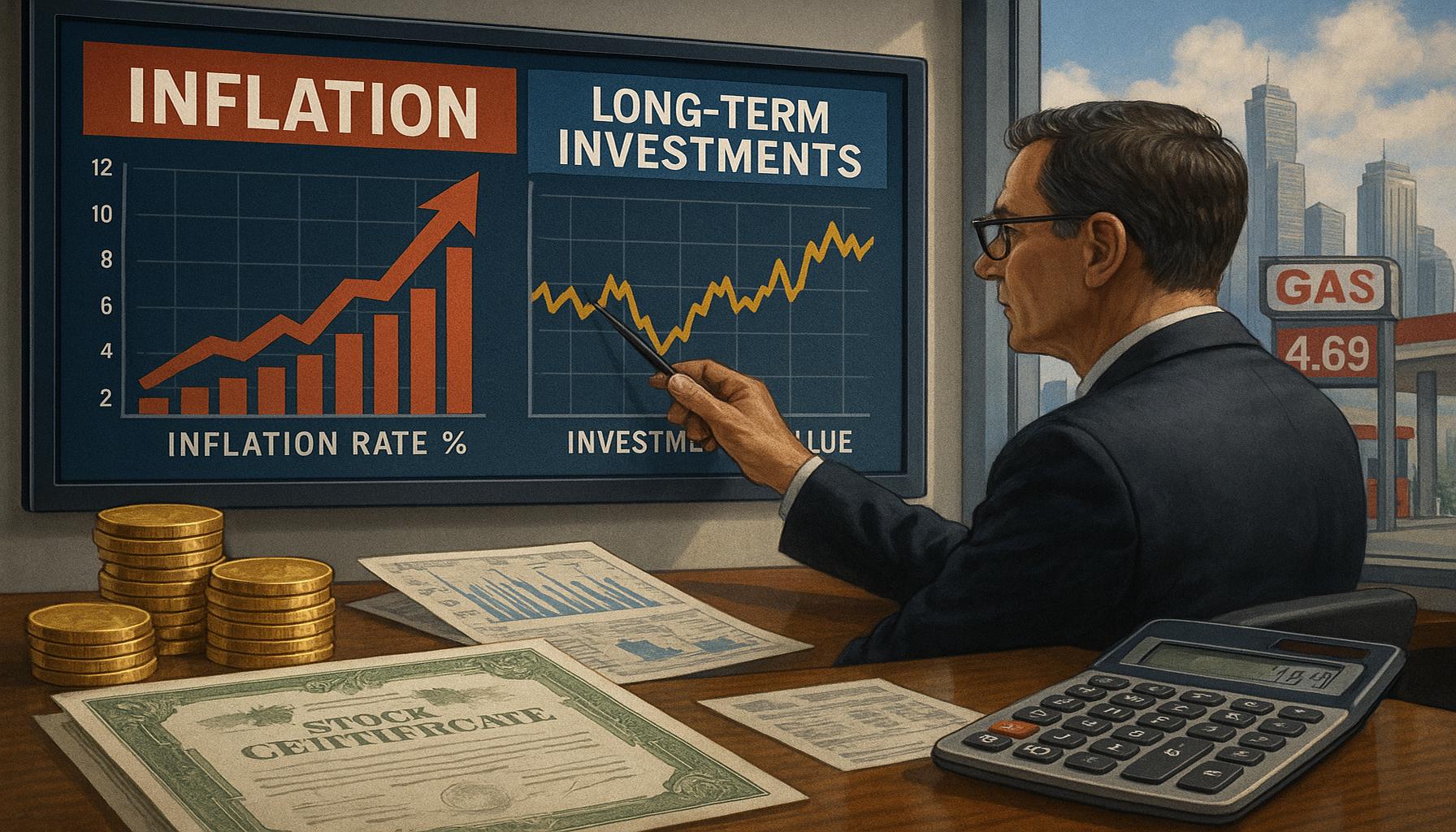
The Silent Impact of Rising Prices on Your Financial Future
Inflation can often feel like a looming shadow, silently influencing your financial landscape and, in many ways, controlling your future. As prices steadily rise, the value of your hard-earned money starts to diminish. This gradual decline in purchasing power poses significant challenges, especially if you’re reliant on long-term investments to build wealth.
To navigate this complex terrain effectively, it is vital to understand the various ways inflation specifically affects your investments. Here are essential considerations that every investor should be aware of:
- Purchasing Power: As inflation continues to rise, it slowly chips away at the purchasing power of your returns. For instance, if the inflation rate is at 3%, your investment returns need to exceed that rate to maintain their true value. Therefore, selecting investments that historically outpace inflation, such as equities or real assets like commodities, can help preserve and even enhance your wealth.
- Asset Appreciation: While assets like real estate and stocks generally appreciate over the long term, inflation can significantly influence their real returns—the net profit after accounting for price increases. For example, if the housing market grows by 5% annually but inflation is at 3%, your actual gain is merely 2%. Understanding this nuance encourages investors to make careful choices that maximize their returns amidst changing market conditions.
- Interest Rates: One of the most direct effects of rising inflation is on interest rates. Central banks, like the Federal Reserve in the United States, will often raise interest rates to combat inflation. This action tends to lead to lower bond prices, which can destabilize fixed-income investment strategies. Hence, being aware of interest rate trends can help you adjust your portfolio accordingly to mitigate losses.
Taking a proactive stance regarding your investments is now more crucial than ever. By embracing the challenge of understanding inflation, you pave the way for a brighter financial future. Whether you are burgeoning an investment portfolio, planning for a comfortable retirement, or funding your child’s education, being informed and agile in your financial decisions can safeguard your investments against the unpredictable waves of inflation.
Remember, the journey toward financial empowerment begins with knowledge. Equip yourself with the right information, stay vigilant about economic changes, and seize the opportunities that arise from understanding inflation. In doing so, you not only protect your investments but also nurture a secure and prosperous future for yourself and your loved ones.
DIVE DEEPER: Click here to learn more about inflation’s effect on investments
Understanding the Nuances of Inflation’s Effects on Investments
As you embark on your journey of financial growth, it’s imperative to recognize how inflation intricately weaves its influence through every facet of your long-term investments. The reality is that inflation is not merely an economic term; it is a powerful force that shapes your future wealth and financial goals. Understanding this impact can empower you to make informed decisions that protect your investments and ensure they work harder for you in the ever-evolving economy.
One critical aspect to consider is the relationship between inflation and returns. Inflation does not merely erode the value of your cash; it also alters the landscape of investment returns across various asset classes. Here are several key elements illustrating how inflation can profoundly influence your long-term investment strategy:
- Real Returns: When evaluating your investment performance, it’s essential to focus on the real rate of return, which adjusts nominal returns for inflation. For instance, if your investment generated a nominal return of 6% in a year when inflation surged to 4%, your real return would effectively reduce to just 2%. This stark reality underscores the importance of choosing investment vehicles that consistently outperform inflation to ensure your wealth does not merely keep pace but grows substantially over time.
- Sector Sensitivity: Different sectors react uniquely to inflationary pressures. For example, while technology stocks may struggle in an inflationary environment due to increased costs and supply chain disruptions, sectors like energy and utilities often thrive due to rising prices. Being aware of these sector rotations can allow you to make timely adjustments to your portfolio, ensuring that you harness the potential profitability of inflation-hedged sectors.
- Inflation-Protected Securities: Investments such as Treasury Inflation-Protected Securities (TIPS) provide a safety net against inflation. These securities are designed to increase in value with rising prices, ensuring that you maintain your purchasing power. Incorporating such investments into your portfolio can be a strategic move to balance the long-term effects of inflation and safeguard your financial aspirations.
- Behavioral Considerations: Inflation often incites emotional responses among investors, leading to panic selling or overly conservative strategies. However, staying focused on long-term goals and maintaining a diversified portfolio can help mitigate emotional decision-making. Emphasizing a long-term vision allows you to buffer against temporary inflation spikes while working towards your financial milestones.
In a landscape where inflation can seem daunting, knowledge stands as your most potent weapon. By developing a conscious awareness of how inflation impacts your investments, you fortify your financial future and turn challenges into opportunities. Embrace this journey—revisit your investment strategies, seek professional advice, and, most importantly, remain committed to your financial goals. The path to a secure financial future starts with an empowered mind and informed decisions.
DISCOVER MORE: Click here to find out how to apply
Navigating the Investment Landscape Amidst Inflationary Pressures
As investors reevaluate their strategies in light of rising inflation, it becomes crucial to explore additional facets that can significantly shape your long-term investment journey. Understanding these elements provides further clarity and equips you with practical tools to navigate this complex landscape effectively.
One essential factor that deserves attention is interest rates and their direct correlation with inflation. Typically, as inflation rises, central banks, such as the Federal Reserve, tighten monetary policy by increasing interest rates in an effort to combat price growth. Higher interest rates can lead to reduced consumer spending and lower business investment, thus having a ripple effect on the stock market. For example, when borrowing costs rise, companies may cut back on expansion plans or delay projects, which can ultimately suppress stock prices. As an investor, staying informed about the Federal Reserve’s actions and their implications on interest rates is vital for maintaining a sound investment strategy.
Another pivotal consideration is the impact of inflation on fixed-income investments. Bonds, often viewed as safe investments, can become less attractive during periods of inflation. As inflation rises, bond yields may not keep up with rising prices, diminishing the returns for bondholders. Investing in inflation-linked bonds, or diversifying into asset classes known for their resilience against inflation, such as equities or real estate, can mitigate the risks associated with a portfolio heavily weighted in fixed income. This approach not only aims to shield your investments but also capitalizes on opportunities for higher returns.
Additionally, international diversification can play a crucial role in safeguarding your portfolio from domestic inflation. With globalization, markets around the world respond differently to inflationary pressures. Investing in foreign assets can provide a buffer against inflation in the United States and introduce potential growth avenues in less inflation-prone economies. By considering global investments, you may achieve a more balanced portfolio that harnesses diverse economic conditions and their respective returns.
As we delve deeper into inflation’s impact, we cannot overlook the importance of adjusting your asset allocation. Regularly rebalancing your portfolio ensures that it remains aligned with your financial goals and risk tolerance in the face of changing economic realities. For instance, during inflationary periods, you may want to increase your allocation to growth-oriented assets such as stocks or commodities, as they tend to outperform in such contexts. Meanwhile, reducing exposure to cash or fixed-income assets can prevent your portfolio from stagnating and being eroded by inflation.
Ultimately, embracing a proactive mindset is fundamental to navigating the complexities of inflation. Establishing financial goals and regularly reviewing your investment strategy can ensure that you remain adaptable and resilient amidst an ever-changing economic landscape. Remember, while inflation can seem like a formidable obstacle, it also presents opportunities for growth and innovation when approached with knowledge and determination.
DISCOVER MORE: Click here for easy application tips
Concluding Thoughts on Inflation and Long-Term Investments
In summary, the landscape of long-term investing in the United States is intricately intertwined with the dynamics of inflation. It is essential for investors to remain vigilant and informed, as rising prices can have profound impacts on purchasing power, returns, and overall financial health. By understanding the relationship between interest rates and inflation, actively managing asset allocations, and considering international diversification, investors can effectively position their portfolios to withstand inflationary pressures.
Moreover, it is vital to understand that while inflation presents challenges, it also opens doors to new opportunities. The potential for growth-oriented investments such as equities or commodities can allow savvy investors to not just protect, but to flourish during these periods of economic change. Cultivating a proactive mind and making informed decisions will be your most significant assets in navigating this uncertain terrain.
As you move forward with your investment journey, embrace the notion that every challenge, including inflation, can lead to innovation and growth. By setting clear financial goals and regularly reassessing your strategies, you not only harness the power of your investments but also pave the way for long-term success. Take charge of your financial future with the knowledge and strategies discussed, ensuring your portfolio remains robust in the face of inflation, and confidently approach each step of your investment journey.
Related posts:
The Impact of Interest Rates on Debt Management: How to Protect Your Credit
How to Negotiate Debts with Creditors: Practical Tips for Consumers in the USA
How to Create an Efficient Budget to Avoid New Debts
The role of fintechs in the democratization of investments in the United States
The Role of Credit in Debt Management: How to Maintain a Healthy Score
How to Create an Efficient Budget for Debt Management: Practical Steps for Americans

Linda Carter is a writer and financial expert specializing in personal finance and financial planning. With extensive experience helping individuals achieve financial stability and make informed decisions, Linda shares her knowledge on the our platform. Her goal is to empower readers with practical advice and strategies for financial success.