
The impact of inflation on investment decisions: what investors should know
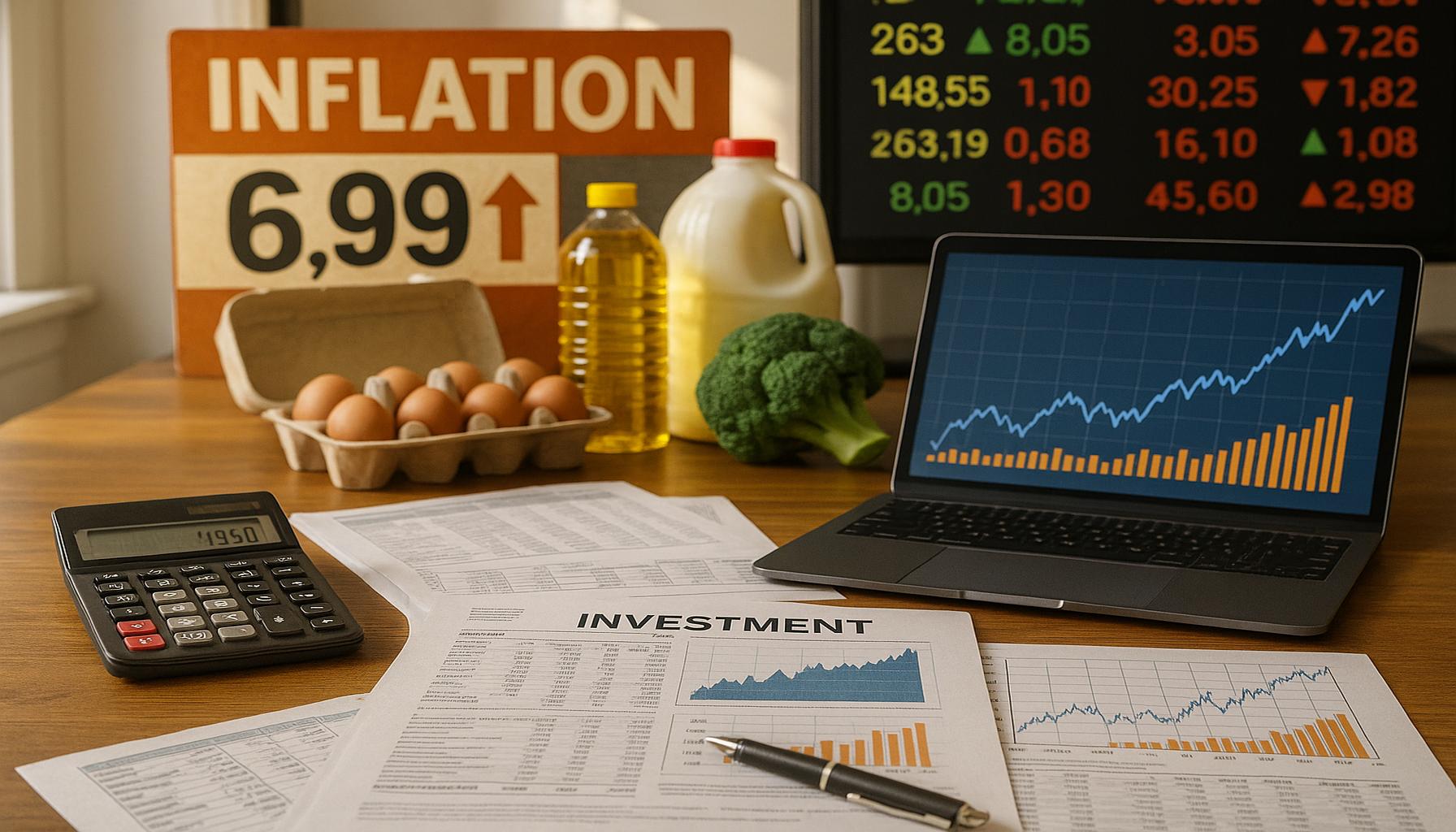
The Silent Impact of Inflation on Your Financial Well-being
The world of investing can be exhilarating, fraught with opportunities, and yet peppered with risks. One of the most insidious risks comes in the form of inflation, which can subtly chip away at the value of your money over time. This gradual degradation of purchasing power presents a challenge that all investors must face. By comprehending the multifaceted effects of inflation, you equip yourself with the tools needed to navigate your investing journey with confidence and foresight.
Let’s explore the key impacts of inflation on investments, empowering you to make more informed financial choices.
- Purchasing Power Reduction: One of the starkest realities of inflation is its effect on purchasing power. If the inflation rate is higher than the rate of return on your savings, your money may gradually lose its ability to buy goods and services. For instance, consider that a $100 grocery bill today could escalate to $110 in just a year if inflation sits at 10%. Therefore, as you save, it’s vital to seek investment vehicles that have the potential to outpace inflation.
- Interest Rates and Bonds: Inflation and interest rates share a close relationship that can heavily influence bond markets. When inflation rises, central banks like the Federal Reserve often increase interest rates to maintain economic stability. This increased rate can lead to falling bond prices, negatively impacting your fixed-income investments. For example, if you hold a bond with a fixed interest rate of 3% and inflation jumps to 5%, the real return on your bond is effectively negative, squeezing your returns.
- Stock Market Volatility: Inflation can also induce fluctuations in the stock market. Investors often react to rising costs and inflationary pressures by adjusting their expectations for corporate profits. This can result in market volatility, where asset prices may rise or fall based solely on investor sentiment regarding inflation. For instance, companies that are unable to pass on higher costs to consumers may see their stock prices plummet, highlighting the importance of market trends in establishing sound investment strategies.
- Real Assets Appreciation: In periods of high inflation, tangible assets like real estate and commodities often act as bulwarks against purchasing power erosion. Real estate tends to appreciate over time, and properties can generate rental income that usually increases with inflation. Similarly, commodities such as gold often retain their value during inflationary periods. These assets can thus provide a hedge, fostering stability in your portfolio amidst economic uncertainty.
In light of these considerations, adapting your investment strategies is not just advisable but essential. Embracing a proactive approach to inflation can be the key to preserving your wealth and achieving your financial goals. By taking informed actions now, you pave the way for a more secure financial future.
As you navigate the complexities of inflation, remember that your financial choices today lay the groundwork for tomorrow’s prosperity. Equip yourself with the knowledge and tools necessary to not just survive, but thrive in an ever-evolving economic landscape. Your journey in investing can be rewarding when approached with caution, intelligence, and a willingness to adapt. Take the initiative, and proactively seek investments that will safeguard your wealth and ultimately elevate your financial aspirations.
DISCOVER MORE: Click here to learn how to apply
Understanding Inflation’s Ripple Effect on Investments
Investors often find themselves at the crossroads of choices that can significantly impact their financial future. Among the various factors influencing these decisions, inflation stands out as a critical component that can reshape your investment landscape. As prices rise, the implications for your savings and investment strategies deepen. Understanding these nuances is not merely beneficial; it is imperative for ensuring your financial well-being.
To navigate the turbulent waters of inflation, consider the following key aspects:
- Real Returns and Investment Strategies: Many investors find themselves lured by advertised rates of return on various investment products. However, without considering inflation, these returns may be misleading. For example, if an investment offers a nominal return of 6% but inflation is at 3%, the actual return is only 3%, effectively diminishing the growth of your wealth. Understanding the true value of your investments in real terms is essential for long-term success.
- Asset Allocation and Diversification: Inflation can significantly influence asset performance, making a compelling case for diversification. When inflation rises, certain asset classes, such as real estate and commodities, often outperform traditional stocks and bonds. By spreading your investments across various sectors and asset types, you can mitigate risks associated with inflation, ensuring that your portfolio remains robust against economic fluctuations.
- Timing Your Investments: The impact of inflation is also felt in the timing of investment decisions. In high inflation periods, fixed-income securities often underperform. As a proactive investor, consider seizing opportunities in sectors that have the potential to thrive despite inflation, such as energy or technology. This strategic timing can enhance your returns and fortify your portfolio against inflationary pressures.
- Investing in Growth Assets: Equity investments tend to outpace inflation over the long term, as businesses that succeed can pass on increased costs to consumers. As such, investing in growth-oriented stocks or sectors known for innovation can provide a safeguard against inflation’s eroding effects. Recognizing potential growth opportunities requires diligence and market awareness but can yield significant rewards in the face of rising prices.
It’s vital to appreciate that inflation isn’t merely an abstract concept; it has tangible effects on your wealth-building journey. As an investor, arming yourself with this knowledge allows you to craft a more resilient investment strategy. The goal isn’t just to react but to anticipate and adjust proactively, ensuring you are well-prepared for the unpredictable nature of inflation.
By considering these aspects and adopting a forward-thinking investment approach, you position yourself to thrive amid inflationary conditions, ultimately safeguarding your financial future. The decisions you make today can pave the way for a more secure tomorrow, empowering you to meet your financial aspirations with confidence and clarity.
DISCOVER MORE: Click here to find out how to apply
Embracing Resilience Amid Inflationary Challenges
As we delve deeper into the implications of inflation on investment decisions, it becomes evident that a proactive mindset is essential for any investor keen on protecting their wealth. With an inflationary environment underscoring the importance of adaptability, let’s explore several strategies and considerations that can help you thrive, rather than just survive, during these uncertain times.
- Inflation-Linked Investments: One effective approach to combatting inflation is to consider investments explicitly designed to keep pace with rising prices. Instruments such as Treasury Inflation-Protected Securities (TIPS) offer a way to safeguard your holdings. The principal value of TIPS increases with inflation, ensuring that your investment retains its purchasing power. Investigating such options can empower you to construct a portfolio tailored to withstand inflationary pressures, giving you peace of mind about the future.
- Real Assets and Commodities: Throughout history, tangible assets like real estate and gold have stood the test of inflation. Real estate often appreciates in value and can provide rental income that offsets inflation, ensuring a steady cash flow. Similarly, commodities such as oil, metals, and agricultural products tend to gain value during inflationary periods. Investing in these real assets can serve as a hedge against inflation, becoming a cornerstone of a resilient investment portfolio.
- Rethinking Fixed-Income Investments: Traditional bonds may feel like a safe choice, but in an inflationary landscape, they can lose value quickly. Interest rates often rise in response to inflation, causing bond prices to fall. As investors, reevaluating the role fixed-income securities play in your portfolio is vital. Consider diversifying into floating-rate bonds or high-yield alternatives that are better positioned to respond to rising rates, ensuring you remain agile in your investment decisions.
- Consumer Trends and Sectors Adapting to Inflation: By examining consumer behaviors during inflation, you can identify sectors poised for growth. For instance, consumer staples, utilities, and healthcare tend to show resilience as they provide essential goods and services. Meanwhile, companies that embrace technology to enhance operational efficiency may find ways to mitigate costs and thrive amid economic headwinds. Investing in these sectors not only aligns with changing market dynamics but also enhances your potential for robust returns.
To navigate inflation effectively, it is vital to cultivate a perspective that embraces both adaptability and foresight. By actively exploring various investment avenues and adjusting your strategies to include inflation-resistant assets, you fortify your financial future. The key lies in your willingness to educate yourself continuously and make informed choices.
Take charge of your financial destiny by remaining engaged with market trends and seeking out opportunities amid challenges. Your proactive efforts today can significantly influence your ability to adapt and flourish in an ever-evolving economic landscape where inflation is a constant companion. As you pursue your investment goals, remember that resilience, knowledge, and an informed approach are your greatest allies in the journey ahead.
DISCOVER MORE: Click here for valuable insights
Charting a Path Forward Amid Inflation
In closing, understanding the impact of inflation on investment decisions is crucial for any investor committed to preserving and growing their wealth. As we’ve explored, inflation introduces challenges that can erode purchasing power and influence market dynamics. However, it also presents opportunities for those with the foresight to adapt their strategies accordingly.
Investors should focus on inflation-linked investments, such as TIPS, and consider real assets like real estate and commodities that historically perform well during inflationary periods. Reevaluating fixed-income investments is also vital; diversifying into floating-rate bonds or high-yield alternatives can better protect your portfolio from rising rates. Furthermore, by keeping an eye on consumer trends and investing in resilient sectors like healthcare, utilities, and technology, you position yourself to seize potential growth even in turbulent times.
As the economic landscape continues to evolve, maintaining a proactive and informed approach is essential. Your ability to adapt not only empowers you to navigate inflation but also encourages a mindset of resilience and opportunity. Embrace the journey of continuous learning and stay engaged with market developments. Remember, your conscious and responsible financial actions today can significantly enhance your prospects for a secure and prosperous future. Together, let’s cultivate financial resilience and build strategies that endure, thrive, and flourish against the backdrop of inflation.
Related posts:
Sustainable Investments: How to Choose Options that Benefit the Planet and Your Wallet
The best investment strategies for beginners in 2025
How Technology is Transforming the Investment Landscape: Trends and Innovations
Investing in Real Estate: Analysis of Opportunities and Risks in the Current Market
Sustainable Investment Strategies: How to Choose Companies that Align with Your Values
Investing in cryptocurrencies: opportunities and challenges for beginner investors

Linda Carter is a writer and financial expert specializing in personal finance and financial planning. With extensive experience helping individuals achieve financial stability and make informed decisions, Linda shares her knowledge on the our platform. Her goal is to empower readers with practical advice and strategies for financial success.