
The Effect of the Pandemic on Americans’ Debts: Lessons Learned and Paths to Recovery
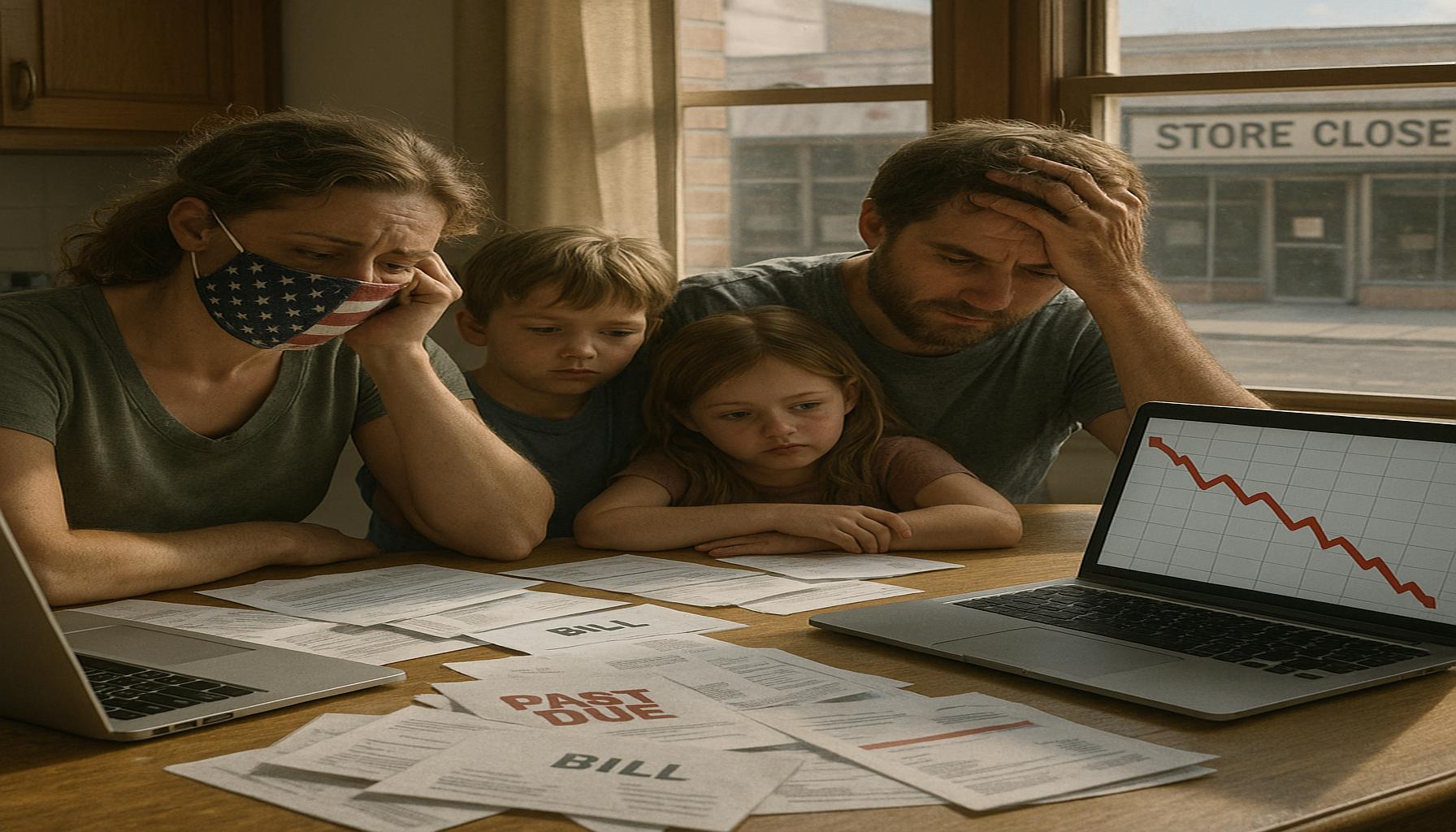
The Financial Impact of COVID-19
The COVID-19 pandemic has profoundly altered the financial landscape of America, creating unprecedented challenges for individuals and families alike. Millions faced job losses, income instability, and economic uncertainty, forcing many to rethink their financial habits. This situation has served as a critical wake-up call, pushing individuals to reevaluate their relationship with debt and consider the long-term implications of their financial decisions.
The aftermath of the pandemic has highlighted specific areas of concern that deserve attention:
- Increased Unemployment: At the height of the pandemic, unemployment rates soared to levels not seen since the Great Depression. Millions of Americans found themselves without a paycheck, leading to a heavy reliance on credit cards and personal loans to cover daily expenses. Those who never before considered borrowing found themselves using credit to put food on the table or keep the lights on.
- Rising Debt Levels: According to recent statistics, average credit card debt climbed significantly as individuals prioritized immediate necessities over savings. For many, maintaining financial security meant using credit to survive, creating a formidable cycle of debt that could take years to manage. As bills mounted, countless families felt overwhelmed, grappling with how to make payments while still providing for their basic needs.
- Altered Spending Habits: The pandemic fundamentally shifted consumer behavior. Individuals began to focus more on essentials—such as groceries and medical care—rather than non-essential indulgences like dining out or traveling. This shift not only redefined personal budgets but also allowed many to identify wasteful spending habits that they could eliminate in the future.
Despite these formidable challenges, the pandemic has imparted valuable lessons for recovery. Many Americans have recognized the vital importance of financial literacy, learning to navigate budgeting tools and resources that empower them to take charge of their finances. For instance, utilizing apps that track expenses can provide insights into spending patterns, aiding individuals in setting realistic financial goals.
Furthermore, the pandemic has emphasized the significance of having an emergency savings fund. Those who managed to establish a buffer—however small—found themselves more resilient during the worst months of the crisis. Aiming for three to six months’ worth of expenses can ease anxiety during uncertain times and foster a sense of security.
As we move forward from this crisis, it is crucial to embrace a proactive approach to debt management. Understanding our financial choices, regardless of how difficult they may have been, can empower us to make better decisions moving forward. With clear awareness and strategic planning, we can ensure a more stable financial future.
This journey toward financial health not only positions individuals for success but also cultivates a sense of community resilience. Together, we can emerge from this crisis stronger, wiser, and more equipped to handle whatever comes next. Let’s take these lessons and turn them into the stepping stones that lead to lasting financial empowerment.
DISCOVER MORE: Click here to learn how to apply for a Wells Fargo personal loan
Reflections on Changed Financial Realities
The pandemic has served as a stark reminder of the volatility of our financial situations. Many Americans have faced moments of reckoning, realizing how quickly life can change and how vital it is to be prepared. The path toward recovery and resilience begins with understanding the new financial realities that emerged during this time. By acknowledging these challenges, we can develop strategies that not only alleviate immediate debt burdens but also foster long-term financial well-being.
One significant aspect that became evident during the pandemic is the notion of living within one’s means. Many individuals discovered that their pre-pandemic lifestyles, largely fueled by consumerism and easy credit, were not sustainable. As people adapted to tighter budgets, the importance of cutting back on unnecessary expenditures became clear. This change brought about an opportunity for self-reflection on spending habits and priorities. Here are some strategies that individuals can adopt to promote prudent financial practices:
- Prioritizing Needs over Wants: Recognizing the difference between what is essential, such as housing and healthcare, and what is discretionary, such as entertainment or luxury goods, can lead to healthier financial choices.
- Setting Realistic Budgets: Creating a budget helps keep spending in check and allows individuals to allocate funds more wisely. A clear budget provides visibility into income and expenses, making it easier to identify areas for reduction.
- Seeking Financial Education: Engaging in personal finance courses or workshops can empower individuals with the knowledge and tools they need to manage their debt effectively. Numerous resources are available online, often for free, making access to information easier than ever.
Moreover, we cannot overlook the importance of communication when it comes to debts and financial issues. In many households, discussions about money can be uncomfortable, but open conversations within families can cultivate better financial practices. Sharing strategies, goals, and concerns with family members fosters a sense of collective responsibility and support. Establishing a culture of transparency around finances can alleviate stress and provide opportunities for problem-solving together.
Additionally, the pandemic has reinforced the vital nature of preparing for uncertainties. Building an emergency fund is no longer just a suggestion; it is an essential survival strategy. Those who successfully weathered the storm often had savings set aside, which allowed them to navigate unexpected costs with confidence. The goal should be to set aside a small percentage of income regularly, even if it seems minimal at first. Over time, these contributions can grow into a safety net that will bolster financial security.
Ultimately, the pandemic has opened our eyes to the depths of our financial vulnerabilities but also to the strength we possess to adapt and recover. As we emerge from this crisis, let us hold onto the lessons learned and strive for a future where we take control of our finances, positioning ourselves for a more secure tomorrow.
DIVE DEEPER: Click here to unlock essential insights
Shifting Priorities: The Path Toward a Sustainable Future
As we navigate the aftershocks of the pandemic, it’s essential to reflect on how our priorities have shifted. The experience has strained many families, leading to increased debts and changes in financial stability. However, it has also sparked innovation and creativity in managing personal finances. Adopting new perspectives can be a game-changer, enabling Americans to build a recovery roadmap tailored to their unique situations.
One of the most significant shifts has been toward minimalism and intentional living. Confronted with the reality of what truly matters, many have embraced a lifestyle that prioritizes quality over quantity. This approach not only reduces unnecessary spending but also fosters appreciation for the essentials. Here are a few practical steps to help individuals embrace this lifestyle shift:
- Decluttering and Evaluating Possessions: Conducting a thorough evaluation of belongings can reveal just how much we accumulate over time. Letting go of items that no longer serve a purpose can free up space and reduce the temptation to purchase more.
- Mindful Shopping Practices: Before making a purchase, taking a moment to ask whether an item adds genuine value to life can significantly curb impulse buying. Setting specific criteria for purchases can foster more mindful consumer behavior.
- Investing in Experiences: As travel and social activities begin to normalize, prioritizing experiences over material possessions can lead to lasting memories and personal happiness without the burden of debt.
Furthermore, the importance of digital financial tools has come to the forefront. With many Americans working remotely and relying heavily on technology, leveraging apps and platforms designed for budgeting and money management has become more crucial than ever. Tools like automatic savings apps, spending trackers, and debt repayment calculators can help individuals stay organized and maintain accountability. By employing these tools, borrowers can strategize effectively to chip away at debts while still meeting their everyday needs.
Moreover, the pandemic has highlighted a growing awareness of mental health and financial wellness. The stress of financial burdens can feel overwhelming, but recognizing this intersection can be a pivotal point for individuals. Engaging in practices to manage stress—such as communicating openly with trusted friends or seeking professional advice—can lay the groundwork for a healthier financial mindset. Mental wellness directly impacts financial decision-making; individuals who prioritize their emotional well-being are better equipped to tackle financial challenges head-on.
Another striking lesson lingering from the pandemic is the essential nature of community support. Many Americans have turned to local resources such as credit unions, financial advisors, or non-profit organizations focusing on debt relief. By connecting with these services, individuals can access valuable advice tailored to their situations and often find that they are not alone in their struggles. Sharing stories and strategies can further strengthen bonds in the community and incentivize others toward better financial health.
Ultimately, the lessons imparted by the pandemic present an opportunity to foster resilience and redesign our financial landscapes. By integrating minimalistic principles, digital tools, mental wellness practices, and community support into our recovery paths, Americans can emerge empowered, equipped to face future financial uncertainties with confidence.
DISCOVER MORE: Click here for a step-by-step guide
Charting a New Financial Course
The pandemic has undoubtedly reshaped the financial landscape for many Americans, leaving behind a trail of increased debts and uncertainty. However, amidst these challenges, we have unearthed invaluable lessons that pave the way for a brighter financial future. By acknowledging the profound shifts in our priorities and financial behaviors, we can transform adversity into opportunity. In embracing minimalistic living, we rediscover what truly matters, allowing us to make more intentional choices that enhance our quality of life while alleviating financial burdens.
Furthermore, the increased reliance on digital financial tools stands as a testament to our adaptability, equipping us to track our spending, manage debts, and cultivate healthier financial habits. Engaging in practices that prioritize our mental wellness is equally crucial, reminding us that a sound mind fosters sound financial decisions. Together, these elements create a comprehensive approach to recovery that emphasizes resilience and sustainable living.
Moreover, the impact of community support cannot be overstated. By connecting with local resources and sharing our journey, we not only gain valuable insights but also strengthen the bonds that help carry us through tough times. As we move forward, let us carry these lessons with us; let us be proactive in crafting a financial strategy that embraces intentionality, mindfulness, and a supportive network. In doing so, we empower ourselves to emerge stronger and more resourceful, ready to tackle unexpected challenges with renewed confidence and purpose, ensuring that we are ready for whatever comes next.
Related posts:
How to Create an Efficient Budget for Debt Management: Practical Steps for Americans
Effective Strategies for Paying Off Debt: The American Consumer's Guide
How to Use Technology and Apps to Improve Financial Education
The Impact of Interest Rates on Debt Management: How to Protect Your Credit
The Importance of Financial Education in Debt Prevention: A Path to Financial Freedom
The Role of Credit in Debt Management: How to Maintain a Healthy Score

Linda Carter is a writer and financial expert specializing in personal finance and financial planning. With extensive experience helping individuals achieve financial stability and make informed decisions, Linda shares her knowledge on the our platform. Her goal is to empower readers with practical advice and strategies for financial success.