
How to Create an Efficient Budget for Debt Management: Practical Steps for Americans
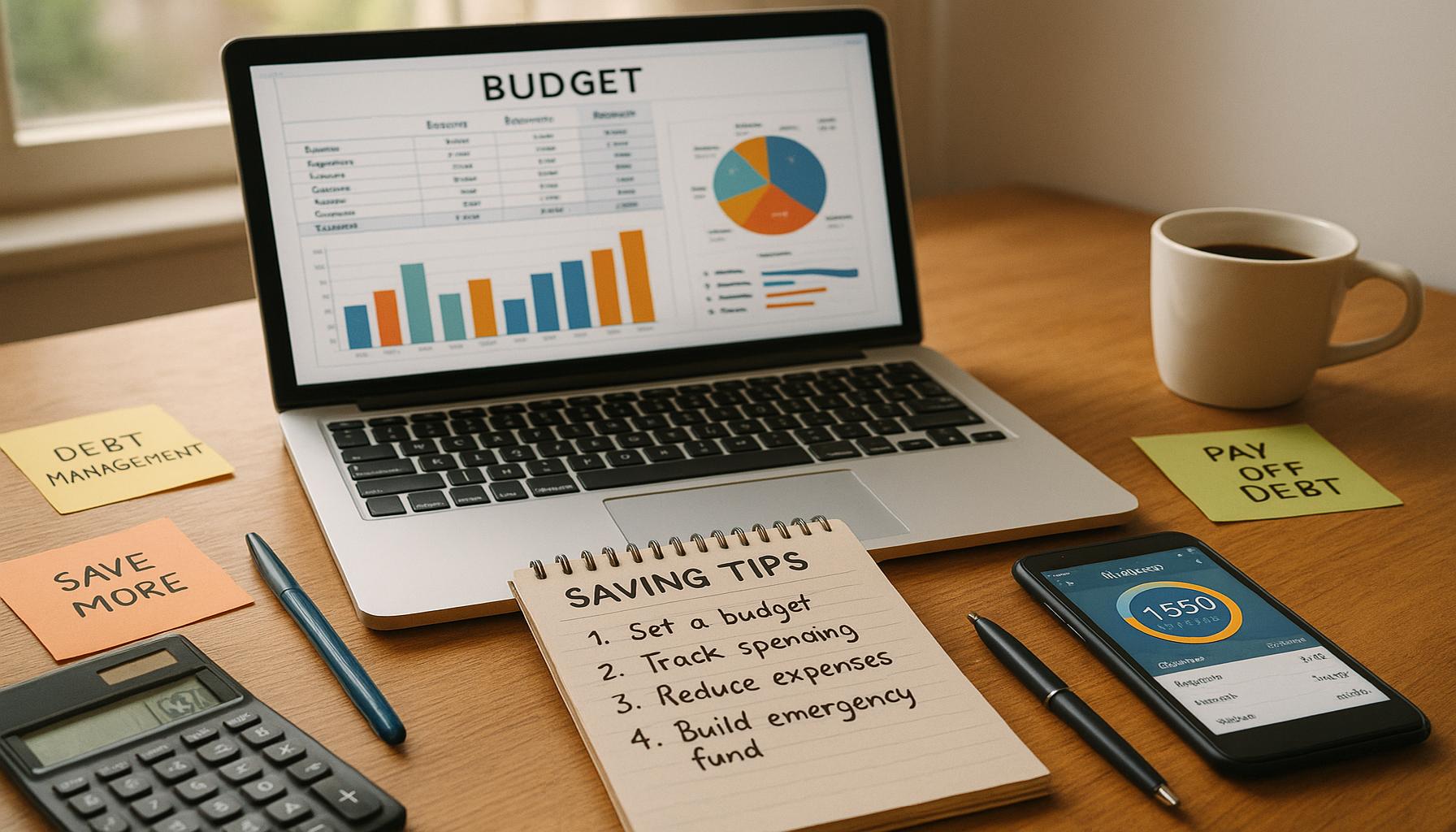
Your Path to Financial Wellness
Managing debt may feel overwhelming, but it doesn’t have to be. Taking the first step towards financial wellness begins with creating an efficient budget, a vital component in regaining control over your finances and paving your way to a debt-free life.
You have the potential to transform your financial situation into one of stability and confidence. By implementing effective strategies, you can initiate significant changes. Let’s delve deeper into the key steps that you can take to begin your journey:
- Assess Your Current Financial Health: Start by gathering all your financial statements, including bank statements, credit card bills, and statements of loans. Creating a complete picture of your debts, income, and expenses is essential. For instance, you might realize that a significant portion of your expenses goes towards dining out or subscription services that you seldom use. This awareness is the first step toward making informed adjustments.
- Set Clear Financial Goals: It’s crucial to define both your short-term and long-term goals. For example, short-term goals may include paying off a credit card balance within six months, while long-term goals might be saving for a home down payment or building an emergency fund that covers six months of living expenses. Having these goals in writing can boost your motivation and provide direction.
- Create a Realistic Budget: Take the time to outline your monthly income against your necessary expenses such as rent, utilities, groceries, and transportation. Be sure to account for discretionary spending like entertainment and travel. By doing so, you’ll get a clearer view of how much money you have left for debt repayment and savings. Tools like budgeting apps can help simplify this process, making it easier to track where every dollar goes.
These steps converge on one essential truth: you have the power to change your financial story. By adopting a conscious and responsible approach to budgeting, you’re not just managing debts but also empowering yourself to make informed financial decisions in the future. This proactive mindset can significantly impact your ability to tackle unexpected expenses or economic changes.
As you embark on this transformative journey, remember that persistence and dedication are your allies. Financial stability doesn’t happen overnight; it requires ongoing effort and commitment. Celebrate small victories along the way—whether it’s paying off a credit card or reaching a savings milestone. These achievements serve as powerful motivators to keep pressing forward.
Now, let’s explore these practical steps in more detail so you can start making meaningful changes today. Together, we can navigate the path toward financial freedom and create a brighter, more secure future.
DISCOVER MORE: Click here to learn how to apply
Understanding Your Financial Landscape
Before diving into budget creation, it’s important to first grasp the overall state of your finances. This stage acts as a foundation upon which all other steps will rest. It requires honesty and thoroughness to ensure that you have an accurate view of your financial health. Here’s how you can assess your financial situation effectively:
- Compile Your Financial Documents: Gather all relevant documents such as bank statements, pay stubs, credit card statements, and loan agreements. Make sure to have these readily available, as they provide insight into your income sources and debt obligations.
- Track Your Income: List all sources of income, including your salary, side gigs, and any passive income. Don’t forget to include irregular sources, like bonuses or tax refunds. Knowing exactly how much money you have coming in each month provides a reliable starting point for your budget.
- Evaluate Your Expenses: Categorize your spending into fixed and variable expenses. Fixed expenses might include rent, mortgage payments, and utility bills, while variable expenses can range from groceries and entertainment to dining out. Tracking every dollar spent, even on small purchases, illuminates spending habits and helps identify unnecessary expenditures.
Once you have an accurate picture of your financial landscape, you’ll likely uncover spending patterns that you can modify. Perhaps you consistently overspend on groceries or find yourself treating friends to dinner more often than you’d like to admit. These realizations can be powerful motivators to implement change.
Setting Achievable Goals
With a clear understanding of your financial position, the next step is to set defined goals that guide your budgeting efforts. Short-term goals can energize you while preparing the groundwork for long-term financial stability. Here are some suggestions for effective goal-setting:
- Aim for Debt Reduction: Prioritize paying down high-interest debt first. If you have multiple credit cards, consider strategies like the avalanche or snowball method to tackle payments.
- Build an Emergency Fund: Start saving for unexpected expenses that could derail your budget, such as medical bills or car repairs. Aim for at least three to six months’ worth of living expenses, which can provide a safety net during financial uncertainty.
- Create Savings Goals: Whether it’s for a vacation, a new car, or a down payment on a house, set aside a certain amount each month to reach these goals. Small, incremental progress can build confidence and empower responsible financial behavior.
Clearly defined goals not only help you stay focused but also make financial decision-making easier. Keep them visible—perhaps a motivational poster on your wall or a note on your fridge—to remind yourself of why you embarked on this journey in the first place. Remember, every step you take brings you closer to financial freedom.
Embrace the idea that managing debt isn’t solely about cutting back; it’s also an opportunity to reflect on what you truly value and want to achieve. Each small victory in your budgeting process fosters resilience and commitment, guiding you towards a brighter financial future. Stay committed, and let your goals inspire every decision along the way.
DIVE DEEPER: Click here for effective debt repayment strategies
Creating a Structured Budget Plan
Now that you’ve set achievable financial goals, it’s time to channel that clarity into a structured budget plan. A well-thought-out budget acts as a roadmap for your financial journey, helping you manage your expenses while eliminating unnecessary debt. Here’s how to construct a budget that effectively balances your needs and goals:
- Choose a Budgeting Method: There are several budgeting methods to select from, such as the 50/30/20 rule, zero-based budgeting, or using the envelope system. The 50/30/20 rule is a popular choice, allocating 50% of your income to needs, 30% to wants, and 20% to savings and debt repayment. Choose a method that resonates with your lifestyle and financial habits.
- Use Budgeting Tools: Leverage technology to streamline your budgeting process. Numerous apps like Mint, YNAB (You Need A Budget), and Personal Capital can help you track your income, expenses, and savings goals in real-time. These tools can provide you with helpful insights and notifications when you stray from your budget.
- Set Spending Limits: Based on your chosen budgeting method, allocate specific amounts for each category. By setting limits, you’ll cultivate discipline and become more mindful of your spending habits. Aim to stick to these limits, but also be flexible; your budget should adapt as your financial situation evolves.
A structured budget requires continuous monitoring to adjust for unexpected circumstances, such as variations in income or unplanned expenses. By reassessing your budget monthly, you can fine-tune your strategy, ensuring it remains relevant and effective. This adaptable approach fosters resilience and encourages ongoing awareness of your financial health.
Accountability and Support Systems
Knowing that you are not alone in your budgeting effort can make a significant difference. Building an accountability system can provide encouragement and motivation as you navigate your financial journey. Consider these options:
- Find a Budgeting Buddy: Partner with a friend or family member who shares similar financial goals. Regular check-ins can keep both of you on track and provide motivation to stay committed. You can share successes, discuss challenges, and celebrate milestones together.
- Join Online Communities: Online forums and social media groups centered on budgeting and personal finance can offer valuable resources. Engage with others who are working towards debt management and exchange tips, progress updates, and recommendations.
- Consult a Financial Advisor: If you find yourself overwhelmed or unsure about your financial decisions, seeking professional advice can offer clarity. A financial advisor can help you create a personalized budget plan that accommodates your goals and risk tolerance, providing additional peace of mind.
Establishing these connections and support systems can create a sense of belonging in your financial journey. The importance of sharing your struggles and triumphs cannot be overstated; it not only alleviates feelings of isolation but can also inspire you to keep pursuing your financial goals with renewed energy.
As you commit to your budgeting process, remain patient and stay motivated. Remember that every small step you take in managing your debts and expenses will lead to greater financial freedom. By maintaining a structured budget and engaging in accountability, you empower yourself to transform your financial landscape for the better.
DISCOVER MORE: Click here for easy application tips
Conclusion
In conclusion, creating an efficient budget for debt management is a vital step toward achieving financial stability and freedom. By setting realistic financial goals and adopting a structured budget plan, you pave the way for a more organized approach to managing your finances. Whether you choose a popular method like the 50/30/20 rule or leverage budgeting apps to track your progress, the key lies in finding what works best for you and your unique circumstances.
Moreover, building an accountability system can significantly enhance your budgeting journey. Engaging with friends, family, or online communities not only fosters motivation but also provides a support network to share experiences and valuable insights. Remember, you are not alone in this process; many others are navigating their own financial journeys.
As you develop your budget and begin to witness the positive changes, allow patience and determination to guide you. Progress may be gradual, but each mindful decision brings you closer to eliminating debt and achieving financial independence. By taking conscious and responsible financial actions today, you can embrace a brighter financial future. The path to financial health may have challenges, but with commitment and perseverance, it leads to a life free from the burdens of debt. Take the first step now, and let your journey toward financial empowerment begin!
Related posts:
How to Negotiate Debts with Creditors: Practical Tips for Consumers in the USA
The Role of Credit in Debt Management: How to Maintain a Healthy Score
How to Use Technology and Apps to Improve Financial Education
How to Create an Efficient Budget to Avoid New Debts
The Role of Financial Applications in Debt Management: Tools that Facilitate Control
The role of fintechs in the democratization of investments in the United States

Linda Carter is a writer and financial expert specializing in personal finance and financial planning. With extensive experience helping individuals achieve financial stability and make informed decisions, Linda shares her knowledge on the our platform. Her goal is to empower readers with practical advice and strategies for financial success.