
Financial Risk Management for Entrepreneurs: How to Protect Your Investment
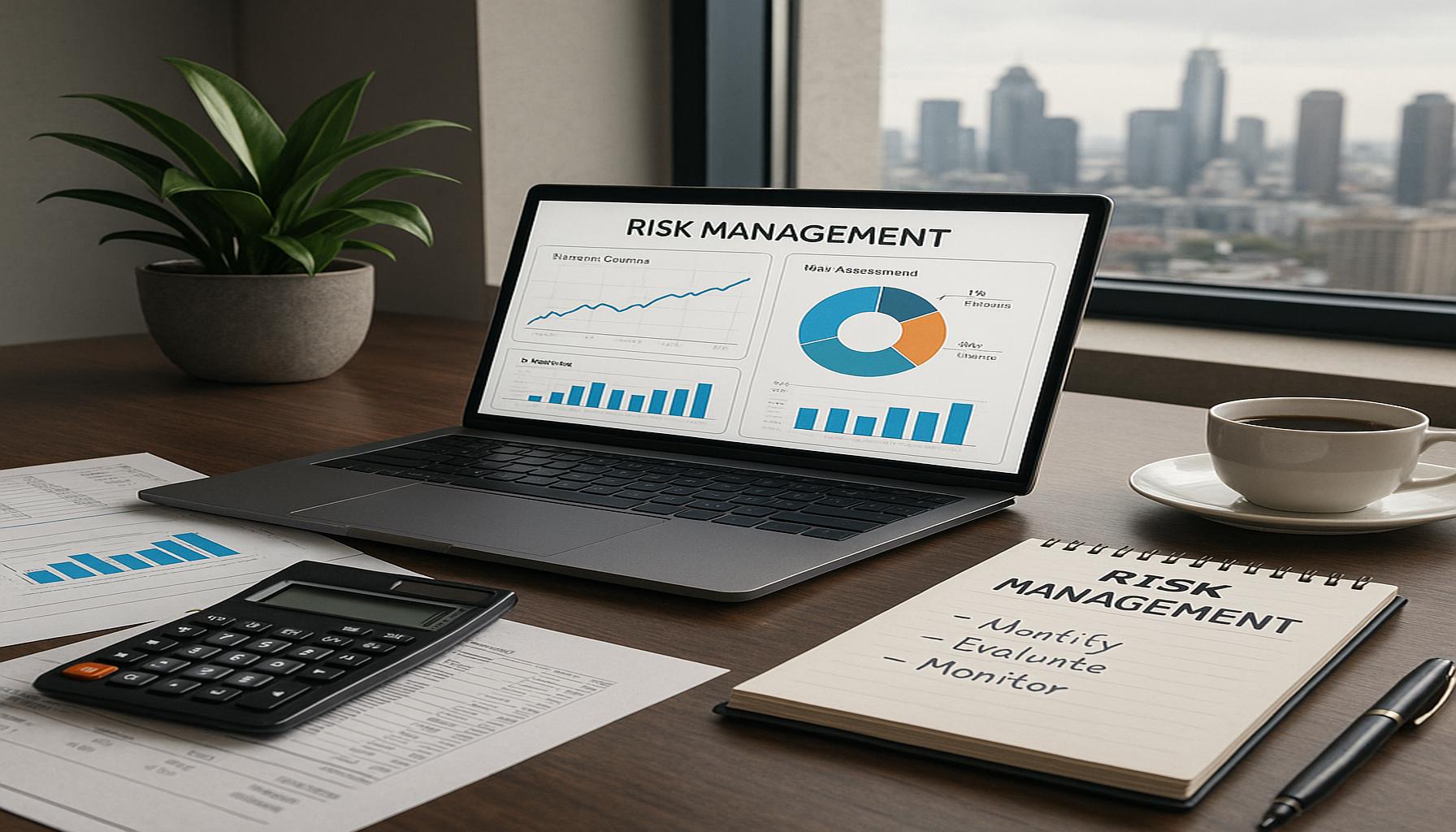
Understanding Financial Risks
Entrepreneurship is a thrilling journey fueled by passion, ambition, and a desire to create something unique. However, this excitement often coexists with significant financial risks that, if overlooked, can jeopardize your hard-earned investments. Understanding and addressing these risks is not only pivotal for survival but also for fostering growth and resilience in your business model.
Identifying Risks
The first step in effective financial risk management is identifying risks. This involves recognizing potential threats that could disrupt your business operations. For instance, market fluctuations can lead to changing consumer demand and affect sales projections. Similarly, credit risks may arise if customers default on payments, significantly impacting your cash flow. Additionally, operational challenges such as supply chain disruptions can halt production, leading to further financial strain.
To illustrate, consider a small manufacturer that relies heavily on overseas suppliers. If a natural disaster occurs in the supplier’s region, it could delay shipments and affect the company’s ability to fulfill orders. By recognizing these risks beforehand, you can devise strategies to mitigate their impact.
Diverse Strategies
Once risks are identified, it is crucial to explore diverse strategies for managing them. One common approach is obtaining insurance to protect against unforeseen events, such as fires or natural disasters that could impact your physical assets. Additionally, financial instruments like hedging can protect against currency or commodity price fluctuations, particularly for businesses involved in international trade.
Diversifying your investment portfolio is another key strategy to spread risk. For example, if your business is primarily focused on retail, consider investing in technology or service-oriented sectors to balance your exposure to potential downturns in consumer spending.
Continual Monitoring
Continual monitoring of your financial landscape is paramount. Just as the business environment changes, so do the risks associated with it. Regularly assessing your financial position, market trends, and operational health allows you to adapt your strategies accordingly. This proactive approach can help shield your business from sudden market changes or unexpected challenges.
For instance, setting up quarterly reviews can empower you to make informed adjustments to your financial strategies in response to economic shifts, thereby reinforcing your business’s stability.
Empowering Your Vision
Embracing financial risk management is not merely about creating a safety net; it is a proactive pathway to lasting success. By approaching risk with intention and care, you can better protect your vision and ensure that the fruits of your labor are not in vain. As an entrepreneur, the ultimate goal is to create a venture that thrives, adapts, and withstands the tests of time.
In conclusion, cultivating an environment where thoughtful financial decisions reign supreme not only safeguards your present but also strengthens your future. Empower yourself with knowledge, take conscious actions, and watch as your entrepreneurial journey flourishes. Remember, your passion can build empires, but intelligent risk management ensures they stand the test of time.
LEARN MORE: Click here for the easy application guide
Crafting a Risk Management Framework
To effectively combat financial risks, entrepreneurs need to craft a comprehensive risk management framework that aligns with their business objectives. This framework serves as a blueprint for recognizing, analyzing, and addressing potential risks, ultimately creating a robust foundation for sustainable growth.
Assessing Risk Tolerance
Every entrepreneur must start by clearly defining their risk tolerance. This encompasses understanding how much risk they are willing to accept in pursuit of returns. A new startup may be more inclined to take on higher risks for higher rewards, while an established business may opt for a more conservative strategy to protect its legacy. Factors to consider when assessing risk tolerance include:
- Financial Capacity: How much can your business withstand in terms of potential losses?
- Market Position: What is your current competitiveness in the market?
- Long-term Goals: Are you aiming for rapid expansion, or focusing on stability and profitability?
Aligning these factors with your risk management strategies can provide clarity and direction when navigating uncertain waters.
Implementing Control Measures
Once you have a solid understanding of your risk tolerance, the next step is to implement control measures that mitigate identified risks. This might include developing strict financial protocols and employing real-time monitoring tools to keep a close eye on financial metrics. For example:
- Establishing a budget that factors in unexpected expenses can cushion your business against cash flow disruptions.
- Employing accounting software can streamline bookkeeping while providing insights into financial health.
- Training staff on financial best practices ensures that everyone in the company is informed about risk management strategies.
By actively measuring and controlling risks within your organization, you create a resilient atmosphere that empowers innovation while minimizing potential losses.
Leveraging Professional Advice
Moreover, consider leveraging professional advice from financial advisors or risk management consultants. These experts can provide guidance tailored to your specific industry and business model, offering valuable perspectives that might be overlooked from within your organization. Investing in expert counsel may seem like an added expense; however, the return on that investment is often realized through better risk identification and management.
Building a Culture of Awareness
Lastly, it is essential to build a culture of awareness within your organization. This means encouraging open dialogues about potential risks and involving all staff in financial decision-making processes. When your team understands the financial landscape and their role in it, you cultivate a work environment where everyone is invested in the ongoing success and stability of the business. By fostering an atmosphere of accountability and awareness, you enable your business to be agile and ready to adapt to any challenges that lie ahead.
In sum, creating a risk management framework is not about fear; it’s about empowering yourself and your business. With a structured approach to identifying and managing risks, you can pursue your entrepreneurial dreams with confidence, knowing that you have laid the groundwork for a secure financial future.
DISCOVER MORE: Click here to find out how to apply
Embracing Technology for Enhanced Risk Management
In today’s rapidly evolving business landscape, embracing technology is paramount for effective financial risk management. Leveraging advanced data analytics, machine learning, and automation tools can transform the way entrepreneurs identify and manage risks. For instance, utilizing predictive analytics allows businesses to forecast potential financial downturns by analyzing historical data and market trends, thus sharpening their responsiveness to emerging threats.
Investing in Financial Management Tools
Entrepreneurs should consider investing in specialized financial management tools that provide real-time insights into their financial health. Software platforms designed specifically for business owners can aid in tracking cash flow, managing budgets, and optimizing expenses. For example, cloud-based solutions offer the flexibility to access financial reports and dashboards from anywhere, empowering entrepreneurs to make informed decisions on the fly. Additionally, these tools often come with customizable alerts that notify you of any discrepancies or potential risks, allowing you to address them promptly.
Diversifying Income Streams
To further mitigate financial risks, diversifying income streams is an effective strategy. Relying on a single revenue source can be precarious, especially in turbulent economic conditions. Entrepreneurs should explore avenues for product or service expansion, tapping into new markets or creating complementary services that align with their core offerings. For example, a restaurant might introduce catering services or an online shop to broaden its customer base and stabilize revenue flow. This diversification not only cushions against declines in primary sectors but also enhances overall business resilience.
Establishing an Emergency Fund
Every entrepreneur should prioritize establishing a robust emergency fund. This fund acts as a financial safety net, allowing businesses to weather unexpected challenges such as sudden market drops, natural disasters, or unforeseen operational costs. Financial experts typically recommend setting aside three to six months’ worth of operating expenses. By having this cushion, you ensure that your business can remain afloat without jeopardizing your long-term objectives, even in the face of adversity.
Continuous Education and Training
As part of enhancing risk management, continuous education and training should be a staple in your business culture. The economic and regulatory landscape is ever-changing, and entrepreneurs must stay informed about emerging trends, compliance requirements, and innovative risk management strategies. Hosting regular workshops, webinars, or training sessions for your team will enhance their competency in spotting potential risks and devising proactive solutions. Equipping your workforce with knowledge not only fosters a culture of vigilance but also propels your business toward sustained growth.
By embracing technology, diversifying income streams, establishing emergency funds, and fostering a culture of continuous learning, entrepreneurs can significantly fortify their financial positions. These proactive approaches not only protect your investment but also enhance your ability to navigate the complexities of today’s business environment with confidence and insight.
DON’T MISS OUT: Click here to learn how to apply
Conclusion
In an unpredictable economic climate, financial risk management is not merely a protective measure but a vital strategy for entrepreneurs seeking to safeguard their investments. By taking proactive steps such as diversifying income streams, establishing emergency funds, and leveraging cutting-edge technology, you empower your business to withstand unforeseen challenges. Remember that risk is an inherent part of entrepreneurship; however, it is how you respond to that risk that will define your success.
Implementing a robust financial management system can provide clarity and insight, allowing you to make informed decisions swiftly. The investment in continuous education and training further solidifies your ability to adapt to an ever-changing landscape, ensuring that both you and your team are equipped with the knowledge necessary to navigate financial uncertainties.
As you forge ahead on your entrepreneurial journey, embrace the tools and strategies available for effective risk management. It is your responsibility to create a resilient foundation that not only protects your investment today but also paves the way for sustainable growth tomorrow. With diligence and a proactive approach, you can turn potential challenges into opportunities, steering your business toward long-term success. Remember, the goal is not the absence of risk, but the mastery of it—allowing you to pursue your dreams with confidence and assurance.
Related posts:
The Role of Fintechs in the Transformation of Modern Entrepreneurship
How to Create an Efficient Budget for Your Business: Step-by-Step for Entrepreneurs
Financing Strategies for Startups: What You Need to Know
How to Evaluate the Financial Viability of a Business Idea Before Investing
Innovations in Crowdfunding: How to Use Crowdfunding to Boost Your Business
The Importance of Financial Education for Beginner Entrepreneurs

Linda Carter is a writer and financial expert specializing in personal finance and financial planning. With extensive experience helping individuals achieve financial stability and make informed decisions, Linda shares her knowledge on the our platform. Her goal is to empower readers with practical advice and strategies for financial success.