
Effective Strategies to Reduce Debt in Daily Life
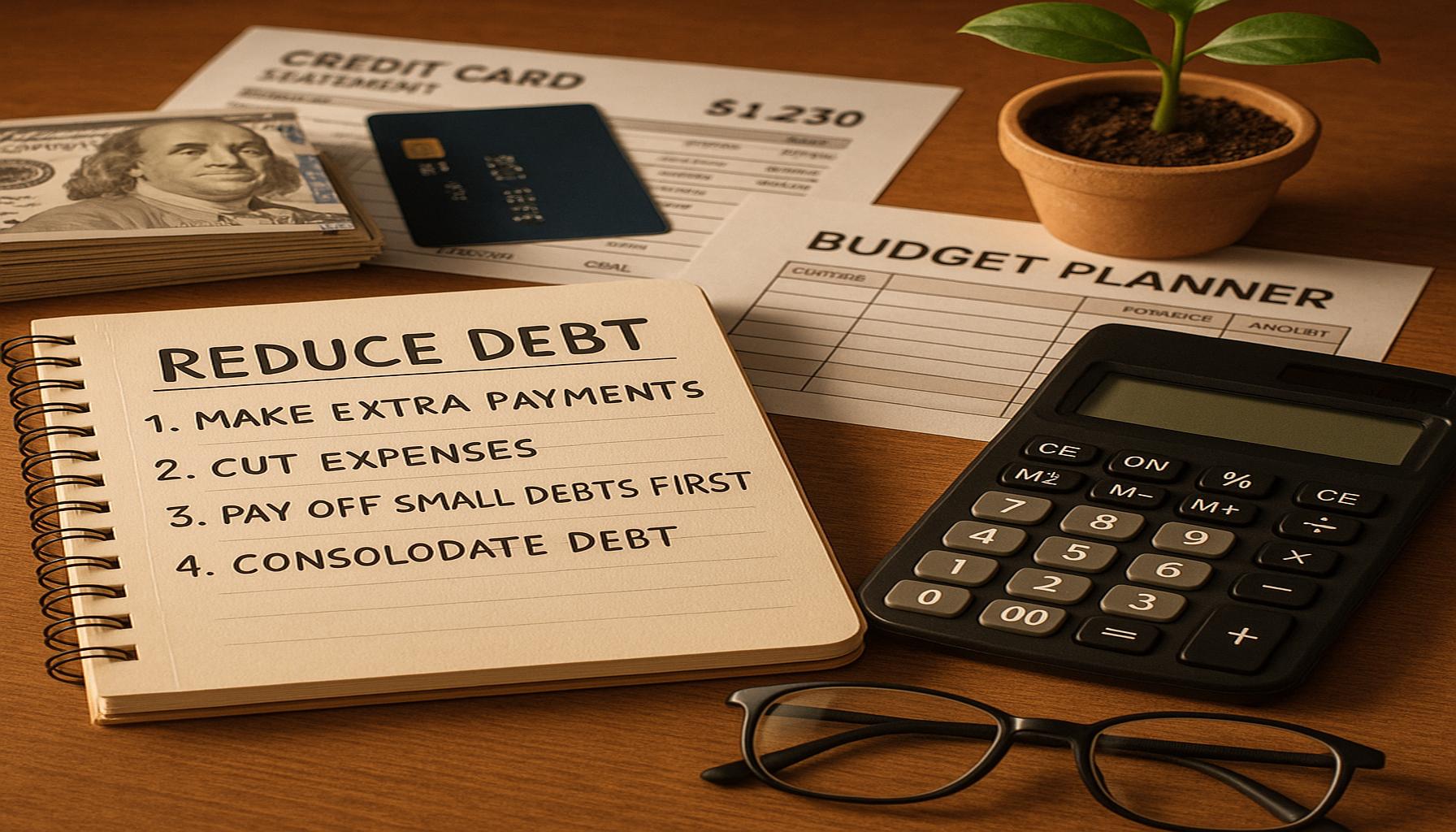
Your Path to Financial Empowerment
Debt can feel like a heavy burden, weighing down your finances and your spirit. It’s a daunting journey when you feel trapped in a cycle of bills and repayments. However, it’s crucial to remember that you have the power to reclaim control over your financial future. With the right strategies, reducing debt is not only possible but can also be a path to personal empowerment and freedom.
Implementing effective daily habits can lead to remarkable changes in your financial situation. Here are some essential strategies to consider:
- Create a Budget: A well-structured budget is your financial blueprint. Begin by tracking your income and expenses meticulously. Consider using budgeting apps, or simply pen and paper, to categorize your spending. This will help you identify unnecessary expenditures. For instance, if you spend significantly on takeout, you might find that preparing meals at home can save you hundreds each month, thus accelerating your debt repayment.
- Prioritize Payments: Not all debts are created equal. Focus on paying off high-interest debts first, such as credit card balances, which can have interest rates exceeding 20%. Consider using the snowball method, where you pay off your smallest debt first for motivation. Conversely, the avalanche method emphasizes tackling the debt with the highest interest. Evaluating your debts this way can significantly reduce your overall financial burden over time.
- Use Cash: Switching to cash for discretionary spending can be an eye-opener. Set aside a specific amount for weekly or monthly expenses like entertainment and dining out. When the cash is gone, it encourages you to think twice before making unnecessary purchases. This approach not only fosters discipline but also helps you stay on track with your financial goals.
- Automate Savings: Consider your savings as a non-negotiable expense. Set up automatic transfers to a dedicated savings account every payday. This builds an emergency fund that can shield you from unexpected expenses, reducing the likelihood of further reliance on credit cards. Aim for three to six months’ worth of expenses to ensure you’re prepared for anything life throws your way.
- Seek Professional Help: Sometimes, it’s beneficial to consult a financial advisor. They provide tailored advice based on your unique financial situation and goals. Whether it’s debt consolidation, investment strategies, or retirement planning, professional guidance can illuminate your path and help you make informed decisions that will benefit you in the long run.
By implementing these strategies, you’re taking a significant step toward financial freedom. Remember, every small change you make adds up over time. Celebrate your progress, no matter how minor it may seem. Embrace the journey of reducing debt with a positive mindset, and watch as your financial landscape transforms for the better. It is never too late to rise above your current situation and pave the way toward a debt-free life filled with opportunities and peace of mind.
DISCOVER MORE: Click here to read about the lessons learned and paths to recovery</a
Empowering Financial Decisions
Embracing financial responsibility is a critical step toward conquering debt. When you actively engage with your finances, you become the architect of your financial destiny. By making informed and thoughtful decisions every day, you can gradually phase out debt and elevate your quality of life. Here are some strategies that will empower you to take control of your financial situation:
- Evaluate Your Spending Habits: To reduce debt effectively, start by examining where your money goes each month. Make a comprehensive list of all your expenses, from rent and groceries to entertainment and subscriptions. You might be surprised to find recurring expenses that no longer serve you. By eliminating or reducing these unnecessary costs, you can direct more funds toward debt repayment.
- Consider Side Hustles: In today’s gig economy, there’s immense potential to generate additional income through side jobs. Think about your skills and interests; whether it’s freelance writing, graphic design, or tutoring, side hustles can provide much-needed extra cash. This additional income stream can be directly allocated to paying down debt, accelerating your journey to financial freedom.
- Psychological Spending Awareness: Money often carries emotional weight, leading to impulsive buying habits. Before making purchases, take a moment to assess your motivations. Ask yourself whether the item truly aligns with your financial goals. Understanding the psychological triggers behind your spending can help you resist the temptation of unnecessary purchases, ultimately benefiting your financial health.
- Negotiate Bills and Services: The price tags on monthly bills often come with opportunities for negotiation. Contact your service providers—whether for cable, internet, or insurance—and inquire about discounts or better deals. Many companies are willing to reduce rates or offer promotions, especially if you express loyalty as a customer. This simple step can lead to significant savings that can bolster your debt repayment efforts.
- Educate Yourself: Financial literacy is your strongest ally when reducing debt. Invest time in learning about personal finance through books, online courses, or podcasts. Understanding key concepts such as interest rates, credit scores, and debt management strategies will empower you to make informed decisions and foster a healthier relationship with money.
Implementing these effective strategies can dramatically transform your financial situation. Remember, every positive financial choice, no matter how small, contributes to your overall success in reducing debt. Cultivating a disciplined approach and prioritizing your financial education allows you to navigate challenges with confidence. With determination and resilience, you can break the chains of debt, opening the door to a more liberated and prosperous future.
DISCOVER MORE: Click here to learn about the impact of technology on financial education
Building a Sustainable Financial Future
Reducing debt is not just about making temporary sacrifices; it’s about fostering a sustainable approach to your financial life. With a visionary mindset, you can cultivate healthy habits that promote long-term wealth management. Here are some additional strategies that will aid in establishing a more robust financial foundation:
- Create a Budget: One of the most effective ways to manage your finances is by establishing a clear and realistic budget. A budget serves as a blueprint that outlines your income and expenses, allowing you to allocate funds more strategically. Start by categorizing your expenses into essential and discretionary. By setting limits on non-essential spending, you can prioritize debt repayment and gradually work toward financial stability.
- Use the Snowball or Avalanche Method: When it comes to paying off debt, consider employing either the snowball or avalanche methods. The snowball method involves paying off your smallest debts first, which can provide psychological wins that motivate you to tackle larger debts. On the other hand, the avalanche method focuses on paying off debts with the highest interest rates first, saving you money on interest over time. Evaluating these options helps tailor a payment strategy that best aligns with your emotional and financial needs.
- Cut Down on Luxuries: In a consumer-driven society, it’s easy to justify spending on luxuries and conveniences. However, reducing or eliminating your dependence on luxury items can have a significant impact on your overall budget. Begin with small changes—brew coffee at home instead of purchasing it daily, prepare meals instead of dining out, and limit impulse buys. These conscious choices translate into substantial savings over time, which can be redirected towards debt repayment.
- Use Cash Instead of Credit: Transitioning to a cash-based spending system can profoundly affect your financial management. Studies have shown that people tend to spend less when using cash compared to credit cards. When you pay with cash, the physical exchange makes the transaction feel more real, encouraging you to think strategically about each purchase. Set aside a specific amount of cash for discretionary spending each month, and allow this to drive your purchasing decisions.
- Seek Financial Guidance: Sometimes, seeking guidance from a financial advisor can yield valuable insights. A professional can help outline personalized strategies tailored to your unique situation and financial goals. Don’t hesitate to utilize tools such as budgeting apps, online resources, or even local financial literacy workshops. Gaining expert advice can provide clarity and pave the way toward executing your debt-reduction plan.
Implementing these effective strategies can nurture a growth mindset, allowing you to make conscious decisions that resonate with your financial goals. The path to reducing debt requires patience and perseverance, yet every deliberate step you take fosters resilience and independence. By embracing these practices and prioritizing your financial literacy, you will steadily cultivate a prosperous future devoid of the shackles of debt.
DIVE DEEPER: Click here to learn how to apply
Conclusion: A Journey Towards Financial Freedom
As we navigate the complex landscape of personal finance, it’s essential to embrace a multifaceted approach to debt reduction. By implementing effective strategies such as creating a budget, utilizing the snowball or avalanche methods, and cutting down on luxuries, you establish a solid foundation for your financial future. It’s important to remember that each conscious decision you make regarding your spending profoundly influences your journey towards a debt-free life.
The goal is not merely to eliminate debt but to shift your mindset toward responsible financial habits that promote longevity and stability. Cultivating a discipline to use cash instead of credit can empower you to appreciate the value of your purchases and avoid unnecessary expenses. Additionally, seeking financial guidance, whether through professionals or community resources, opens doors to valuable knowledge and frameworks tailored to your unique situation.
As you embark on this journey, remind yourself that every small step counts. Progress may be gradual, but the persistence you show today paves the way for a brighter financial tomorrow. Empower yourself with these strategies, embrace the process, and watch as you transform your financial life into one marked by freedom and security. The path to true financial independence lies within your hands—take it with confidence.
Related posts:
How to Negotiate Debts with Creditors: Practical Tips for Consumers in the USA
The impact of inflation on long-term investments in the United States
How to Create an Efficient Budget to Avoid New Debts
How to Create an Efficient Budget for Debt Management: Practical Steps for Americans
How to Use Technology and Apps to Improve Financial Education
The Impact of Interest Rates on Debt Management: How to Protect Your Credit

Linda Carter is a writer and financial expert specializing in personal finance and financial planning. With extensive experience helping individuals achieve financial stability and make informed decisions, Linda shares her knowledge on the our platform. Her goal is to empower readers with practical advice and strategies for financial success.