
Effective Strategies for Paying Off Debt: The American Consumer’s Guide
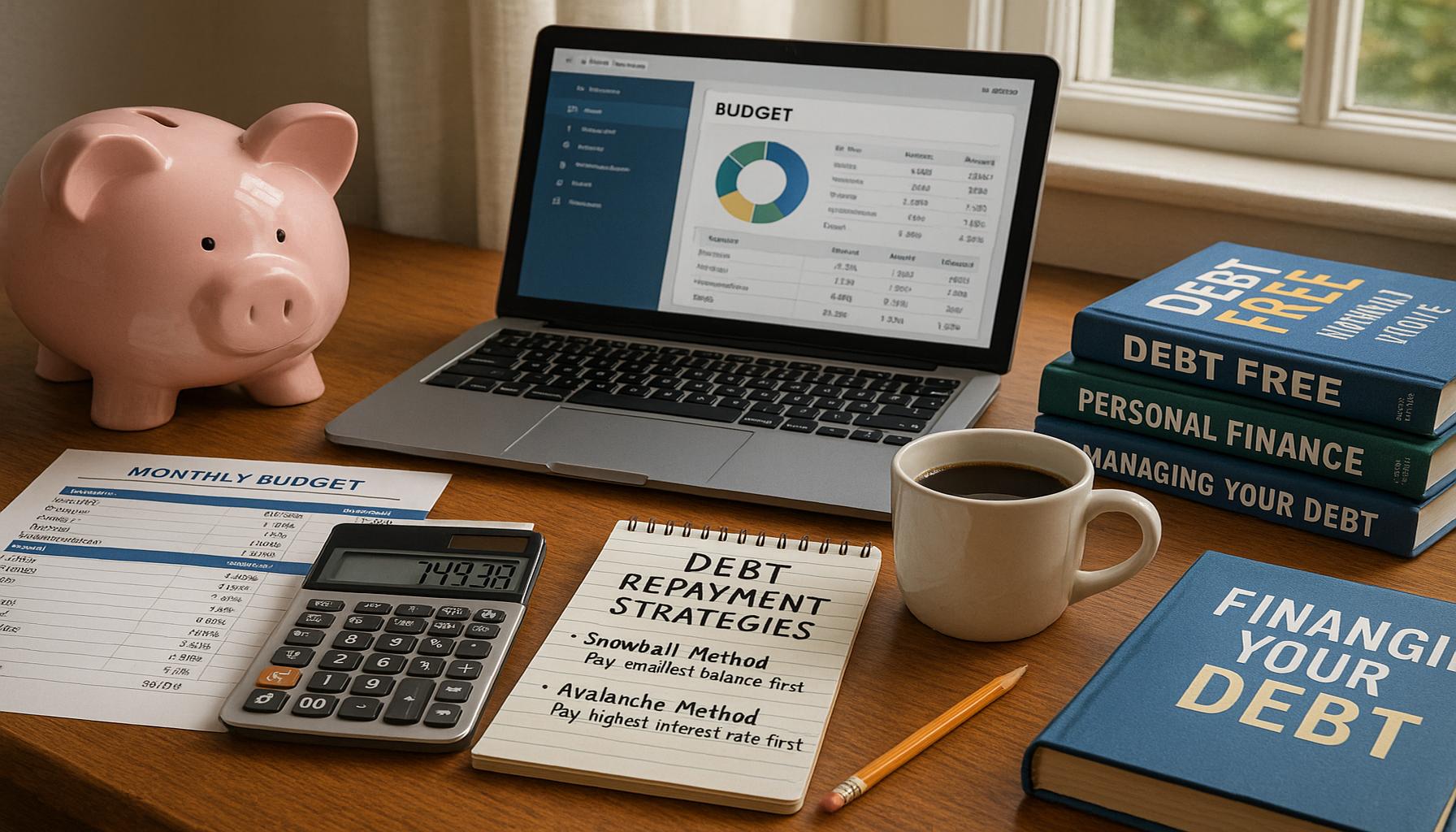
Understanding the Burden of Debt
For countless Americans, the presence of debt can create a suffocating feeling, leading to significant stress and anxiety. Whether it’s from student loans, credit cards, medical expenses, or personal loans, debt can often feel like an insurmountable mountain. However, it’s important to remember that there is a way out, and with determination, you can not only overcome this burden but also build a brighter financial future. Understanding the tools available and making informed choices can lead to transformative changes in your financial situation.
Strategies to Empower Your Financial Journey
Taking action is the first step toward achieving financial freedom. By adopting a proactive mindset and committing to a structured plan, you can take significant strides towards managing and ultimately overcoming your debt. Here are some effective strategies that can set you on the path to financial empowerment:
- Create a budget: Having a clear picture of your income and expenses is essential. Start by tracking where every dollar goes for a month. This transparency allows you to identify unnecessary expenses, enabling you to allocate more funds towards debt repayment. Free budgeting apps such as Mint or YNAB (You Need a Budget) are useful tools that simplify this process.
- Prioritize debts: Not all debts are created equal, especially concerning interest rates. Focus on high-interest debts first, which often accumulate more charges over time, like credit card debt. By tackling these first, you can save money and shorten the repayment period significantly.
- Use the debt snowball method: This strategy involves paying off your smallest debts first, which creates momentum. The feeling of knocking out even a small debt can be incredibly motivating. For instance, if you have a $500 medical bill and a $2,000 credit card payment, pay off the medical bill first or put extra money toward it until it’s gone.
- Negotiate with creditors: Many lenders are willing to negotiate terms. Contact your creditors and ask for lower interest rates or a more manageable payment plan. Sometimes, sharing your struggle can lead to reduced payments which provide immediate relief.
- Explore additional income sources: Consider side jobs or freelance work that utilizes your skills and passions. Platforms like Upwork or TaskRabbit offer opportunities for extra income that can expedite your debt repayment. Additionally, selling unused items in your home could generate extra funds to help chip away at your debts.
Transforming Your Financial Landscape
Implementing these strategies not only offers a structured approach to debt repayment but can also bring a renewed sense of hope and empowerment. As you make progress, celebrate the small victories along the way, whether it’s completing a budget, paying off a debt, or even just sticking to your plan for a month. Remember, you are not alone on this journey—many Americans face similar challenges. With dedication, perseverance, and the right tools at your disposal, you can transform your financial landscape into one of stability and security. Each step you take is a step toward a financially secure future, and you have the power to change your narrative!
DISCOVER MORE: Click here to learn how to apply
Taking Charge of Your Finances
Recognizing the need to tackle debt is the first pivotal step toward financial stability. Understanding that you can take control of your situation, rather than letting it overwhelm you, empowers you to make positive changes. Many Americans recognize the valid reasons behind accumulating debt—higher education, unexpected medical expenses, or living beyond one’s means during tough economic times. However, regardless of the cause, it is entirely possible to reclaim your financial health through strategic actions.
To effectively manage and reduce your debt, it’s crucial to set clear, achievable goals. Start by determining your total debt amount and understanding the various interest rates associated with each loan. This knowledge will be the foundation for your strategy moving forward. Let’s explore some practical methods that will help you confront your debt head-on:
- Assess Your Current Financial Situation: Begin by gathering all your financial statements and calculating your total income against your expenses. Write down your debts, including the interest rates and minimum payments. This assessment helps you visualize the full scope of your debt burden and identify areas for improvement.
- Set a Realistic Payment Plan: Once you have a grasp of your financial landscape, develop a payment plan that fits within your budget. Choose a timeline that is realistic based on your income and expenses. Remember, consistency is key; even small, regular payments can lead to significant reductions in debt over time.
- Automate Your Payments: To avoid missing payments, consider automating your debt repayments. This method not only ensures you never miss a due date, which can lead to costly late fees, but it also helps you build a habit of prioritizing your debts. Automating payments can give you peace of mind as you work towards your financial goals.
- Adjust Your Lifestyle: While on your debt repayment journey, it may be necessary to reevaluate your spending habits. Initiate a “spending freeze” on non-essential purchases—dining out, subscriptions, and entertainment can often be trimmed. This approach can add extra funds for debt payments while fostering a more mindful attitude towards spending.
- Seek Financial Advice: If the path feels overwhelming, do not hesitate to seek external help. Financial advisors and credit counselors can provide personalized advice tailored to your situation. Organizations like the National Foundation for Credit Counseling offer free or low-cost consultations that can equip you with valuable insights and guide you in formulating an effective plan.
The journey toward financial empowerment doesn’t have to be lonely or burdensome. By implementing these focused strategies, you cultivate not only awareness about your finances but also a proactive mindset. Remember that every payment you make and every small change you implement brings you closer to financial liberation. Embrace this journey as an opportunity to learn and grow, paving the way for a secure and debt-free future.
DISCOVER MORE: Click here for a step-by-step guide
Leveraging Resources and Building Momentum
As you embark on your journey to pay off debt, recognizing the resources available to you can significantly enhance your progress. Engaging with financial tools, community supports, and crafting a positive mindset can accelerate your path toward financial freedom. Let’s take a closer look at effective ways to leverage these resources and build the momentum you need to succeed.
Consider Debt Snowball or Debt Avalanche Methods: These two popular strategies help you stay motivated while managing your debt. The Debt Snowball Method involves paying off your smallest debts first, allowing you to quickly achieve milestones that boost your morale. As you eliminate smaller debts, the psychological benefits can foster a stronger commitment to tackling larger obligations. Conversely, the Debt Avalanche Method prioritizes payments on debts with the highest interest rates first, which can save you more money in the long run. Choose the method that resonates with you and aligns with your financial style.
Utilize Technology to Your Advantage: Embracing financial management apps can simplify your debt repayment process. Applications such as Mint, YNAB (You Need A Budget), and Debt Payoff Planner can help track your progress, set reminders for upcoming payments, and visualize your financial milestones. Such tools can also provide a sense of accountability, empowering you to stick to your goals.
Find Extra Sources of Income: Generating additional income can significantly impact your ability to pay down debt. Explore gig economy options—such as driving for rideshare services, freelancing, or offering tutoring lessons—based on your skills and available time. Even selling unused items around your home can create a cash influx, helping to accelerate your payment plan. These proactive steps not only facilitate debt repayment but also instill a sense of accomplishment and resilience.
Consider Consolidation or Refinancing: If interest rates on your loans are particularly high, looking into debt consolidation or refinancing options might benefit you. Consolidating multiple debts into a single loan with a lower interest rate can simplify your payments and potentially save you money over time. This strategy can offer noticeable relief as you navigate your way out of debt. Be vigilant about the terms and conditions of any new agreements, ensuring they align with your overall financial goals.
Engage with Community Resources: Numerous non-profits and community organizations provide resources to assist individuals grappling with debt. Local community centers or libraries may offer financial literacy workshops, while organizations like the Consumer Financial Protection Bureau can provide educational materials tailored to your needs. Connecting with others sharing similar challenges can foster motivation and support—remember, you are not alone in this journey.
Acknowledging your debt situation and implementing these proactive strategies can feel liberating. Each positive step toward financial independence empowers you, fostering hope and optimism. By fully utilizing resources and maintaining the momentum to create meaningful change, you can pave the way toward a brighter financial future, free from the weight of debt.
DISCOVER MORE: Click here to learn how to apply for the Bank of America Premium Rewards Elite Credit Card</
Conclusion
In a world where consumer debt can feel overwhelming, the journey to financial freedom is not just a dream but a tangible goal within your reach. By implementing the right strategies, you can reclaim control over your finances and pave a path toward a debt-free future. Key tactics such as selecting between the Debt Snowball or Debt Avalanche methods, utilizing technology for better tracking, and exploring additional streams of income can significantly contribute to accelerating your repayment plan.
Moreover, understanding the benefits of consolidation and reaping the rewards from community resources can offer support and guidance tailored to your individual circumstances. Remember, you don’t have to face this challenge alone; there are countless others on the same path, and reaching out for help can bolster your resolve.
Ultimately, the most important thing is to take that first step—whether that’s setting a budget, contacting a financial advisor, or simply committing to change your spending habits. Every small action counts and adds up over time. Embrace the emotional journey that comes with paying off debt, understanding that liberation from financial burden leads not only to savings but to a more secure and fulfilling life.
As you move forward, keep a clear vision of your financial goals and accomplishments in mind. Your determination combined with these strategies will illuminate your path toward true financial wellness. Start today, take control, and embark on a brighter future free from the chains of debt.
Related posts:
The Impact of Interest Rates on Debt Management: How to Protect Your Credit
How to Create an Efficient Budget to Avoid New Debts
The Role of Financial Applications in Debt Management: Tools that Facilitate Control
How to Use Technology and Apps to Improve Financial Education
Effective Strategies to Reduce Debt in Daily Life
The Role of Credit in Debt Management: How to Maintain a Healthy Score

Linda Carter is a writer and financial expert specializing in personal finance and financial planning. With extensive experience helping individuals achieve financial stability and make informed decisions, Linda shares her knowledge on the our platform. Her goal is to empower readers with practical advice and strategies for financial success.