
The impact of interest rates on long-term investments in the USA
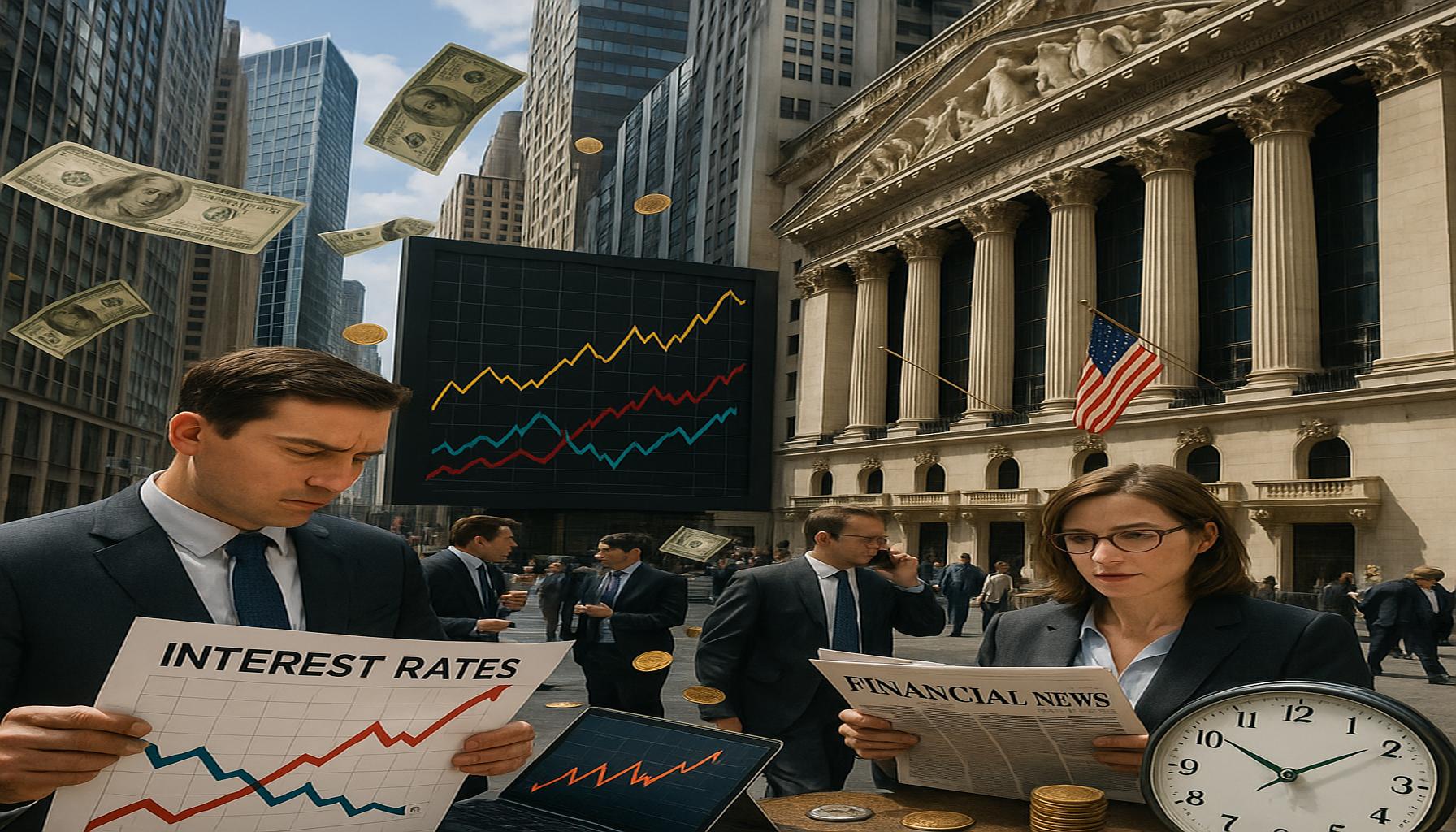
The Importance of Interest Rates in Financial Planning
In the complex arena of finance, interest rates serve as a fundamental element influencing investment strategies for individuals and businesses alike. For investors in the USA, an in-depth understanding of how these rates interact with various financial aspects is not just beneficial—it’s essential for crafting a path toward financial security and prosperity. Embracing this knowledge allows individuals to make strategic, informed decisions that pave the way for a more stable financial future.
The fluctuations in interest rates can create a ripple effect that extends far beyond simple borrowing costs. Here are a few critical areas where these changes are felt:
- Cost of Borrowing: When interest rates rise, the cost of obtaining loans increases. This can significantly affect purchasing power, especially for big-ticket items like homes and cars. For instance, a higher interest rate on a mortgage can mean paying thousands of dollars more over the life of the loan, which can deter potential homebuyers and slow down the housing market.
- Investment Returns: Conversely, when interest rates are low, investments tend to flourish. Lower rates often result in higher returns on assets such as stocks and real estate. This creates an encouraging environment for investors as capital becomes more affordable, facilitating business expansion and improving overall market performance.
- Market Trends: Interest rate changes are also pivotal in shaping investor sentiment and market cycles. For instance, during periods of rising rates, market confidence may wane as investors become cautious, leading to a potential downturn in stocks. Understanding this relationship can enable investors to adjust their strategies proactively and mitigate risk.
A comprehensive grasp of these factors empowers investors during uncertain times, emphasizing the significance of strategic financial planning. Interest rates don’t just dictate numbers; they have the potential to:
- Shape retirement plans and influence how much individuals save and invest for their future.
- Dictate savings strategies by determining how much return can be expected from savings accounts and other fixed-income investments.
- Determine the viability of long-term investments, guiding choices in portfolios that prioritize growth or stability.
As you explore the intricate relationship between interest rates and your investment strategies, remember that knowledge is your most powerful ally. The financial landscape may be unpredictable, but making conscious and informed choices puts you in a position of strength. By understanding how to navigate interest rate fluctuations, you not only prepare yourself for the future but also inspire a confident approach to building lasting wealth.
LEARN MORE: Click here for application tips
The Ripple Effect of Interest Rate Changes on Long-term Investments
Understanding how interest rates affect long-term investments is crucial for every investor aiming to build a sustainable financial future. As interest rates ebb and flow, they can exercise profound influence over the performance of varied assets. Knowing how to read these patterns is not merely a financial skill; it’s a critical life lesson that can lead to economic empowerment.
First and foremost, one cannot overlook the direct impact interest rates have on capital allocation. When rates are high, the expense of borrowing increases, resulting in reduced liquidity for both businesses and consumers. Investors are often compelled to reconsider their long-term investment strategies. For instance, an increase in interest rates can lead to a prioritization of paying down debt rather than investing in growth. Consequently, this may stifle innovation and slow down economic expansion, hindering the overall market’s ability to generate returns.
In contrast, when interest rates are low, the dynamics shift significantly. This environment spurs borrowing and investing, as lower rates make funding more accessible. Companies can take on projects that they previously deemed too risky or expensive, leading to an uptick in long-term investments. As companies grow and expand their operations, they often see an increase in stock prices, creating an attractive scenario for long-term investors. Here are key points illustrating how interest rates impact long-term investments:
- Stock Market Performance: Lower interest rates can inspire bullish stock market conditions. As companies find it cheaper to solicit capital for growth, they may experience a surge in profits, driving up share prices. Investors benefit from this trend as stock valuations rise.
- Real Estate Investments: A lower interest rate environment generally stimulates the real estate market. With cheaper mortgages, more individuals can afford to buy homes—leading to increased demand and property values. This enhances the allure of real estate as a long-term investment vehicle.
- Bond Market Considerations: Conversely, when interest rates rise, existing bonds may decline in value. Investors must be strategic in their selection of fixed-income investments, often favoring shorter-duration bonds or inflation-protected securities to hedge against imminent rate hikes.
Moreover, the psychological impact of interest rates cannot be underestimated. Rates often dictate investor confidence; when rates are low, the sentiment is generally one of optimism, encouraging more robust participation in the market. On the other hand, rising rates can instill caution, prompting many to retreat from long-term commitments. This emotional response can significantly affect market trends, emphasizing the importance of understanding the broader economic context.
In this intricate interplay between interest rates and long-term investments, knowledge is truly empowering. Recognizing these influences enables investors to adopt a proactive mindset, positioning themselves to not only weather economic storms but to thrive as well. With each decision grounded in awareness and insight, investors can cultivate a resilient portfolio that stands the test of time.
DIVE DEEPER: Click here for essential investment tips
Strategic Investment Approaches in a Fluctuating Rate Environment
As we navigate the complexities of interest rates, one aspect that deserves closer examination is the adaptive strategies that investors can employ to safeguard their long-term investments. In an ever-changing economic landscape, flexibility and foresight become paramount. Whether rates are on the rise or in decline, informed investors are not merely passive spectators; they are active participants engaged in the market dynamics.
One crucial tactic involves diversification of asset classes. A varied investment portfolio can buffer against the volatility that interest rate shifts often precipitate. For instance, when interest rates are climbing, the performance of equities might falter as borrowing costs rise. However, certain sectors, such as utilities and consumer staples, may experience relative stability. Including a diverse range of asset classes, from stocks to bonds and commodities, enables investors to optimize their portfolios against rate fluctuations—decreasing risk and enhancing potential returns.
In addition to diversification, monitoring economic indicators is essential for proactive investment decision-making. Keeping a pulse on key metrics like inflation rates, employment statistics, and GDP growth can provide valuable context for interest rate movements. For example, if inflation trends upward, central banks might feel compelled to raise rates to temper spending. Making investment adjustments based on this knowledge allows investors to align their portfolios according to the economic cycle, potentially capitalizing on opportunities before they are widely recognized in the market.
Another effective strategy is to utilize alternative investments. In an environment where traditional asset classes may underperform, exploring options such as real estate investment trusts (REITs), commodities, or even precious metals can add an additional layer of protection and upside potential. For instance, during times of inflationary pressures, commodities typically hold their value better than cash or treasury bonds. By incorporating such alternatives, investors enhance their chances of weathering adverse economic conditions.
Behavioral economics also plays a significant role in how individuals respond to interest rate changes. The tendency to overreact or underreact to rate information can lead to costly mistakes. It is crucial for investors to remain level-headed and stick to their long-term strategies rather than being swayed by short-term market noises. Practicing disciplined investing and revisiting one’s objectives regularly can help minimize emotional decision-making, ensuring alignment with financial goals.
Finally, seeking the guidance of financial professionals can be invaluable. As interest rates change and the implications deepen, having a knowledgeable advisor provides a sounding board for navigating investment landscapes. They can offer tailored strategies and insights into how shifts in interest rates should prompt adjustments in your financial outlook, benefiting those who may not have the time or expertise to analyze the market conditions thoroughly.
Ultimately, the journey of investing in a fluctuating interest rate environment is about resilience and informed decision-making. Building a strategy based on adaptability and continuous learning not only strengthens your investment portfolio but also empowers you to take a command over your financial trajectory. By being proactive and well-informed, you can transform potential challenges into myriad opportunities that enhance your long-term prosperity.
DISCOVER MORE: Click here to find out how to apply
Conclusion
In conclusion, the influence of interest rates on long-term investments in the USA is both profound and multifaceted. The dynamic landscape of interest rates requires that investors adopt a strategic approach grounded in adaptability and knowledge. As we have discussed, employing diversification can serve as a safety net against potential downturns, while consistently monitoring economic indicators allows for timely adjustments that can capitalize on shifting market conditions.
Moreover, embracing alternative investments provides avenues for both stability and growth in times of economic uncertainty. Informed decisions not only safeguard your portfolio against negative impacts of rising rates but also present opportunities for significant returns. Understanding that human psychology can often skew rational judgment underscores the importance of staying disciplined and committed to long-term strategies, resisting the urge to make impulsive decisions based on fleeting market trends.
Finally, tapping into the wisdom of financial professionals can illuminate the pathways through which changing interest rates affect your specific circumstances. Being proactive and well-informed equips you to take command of your financial journey amidst the complexities of the investment landscape. By viewing interest rate fluctuations not merely as obstacles but as opportunities for growth, you position yourself to build a resilient and prosperous economic future. Embrace these principles, and transform challenges into stepping stones towards enduring financial success.