
The effect of interest rates on investment decisions and how to prepare for economic changes
Understanding the Financial Landscape
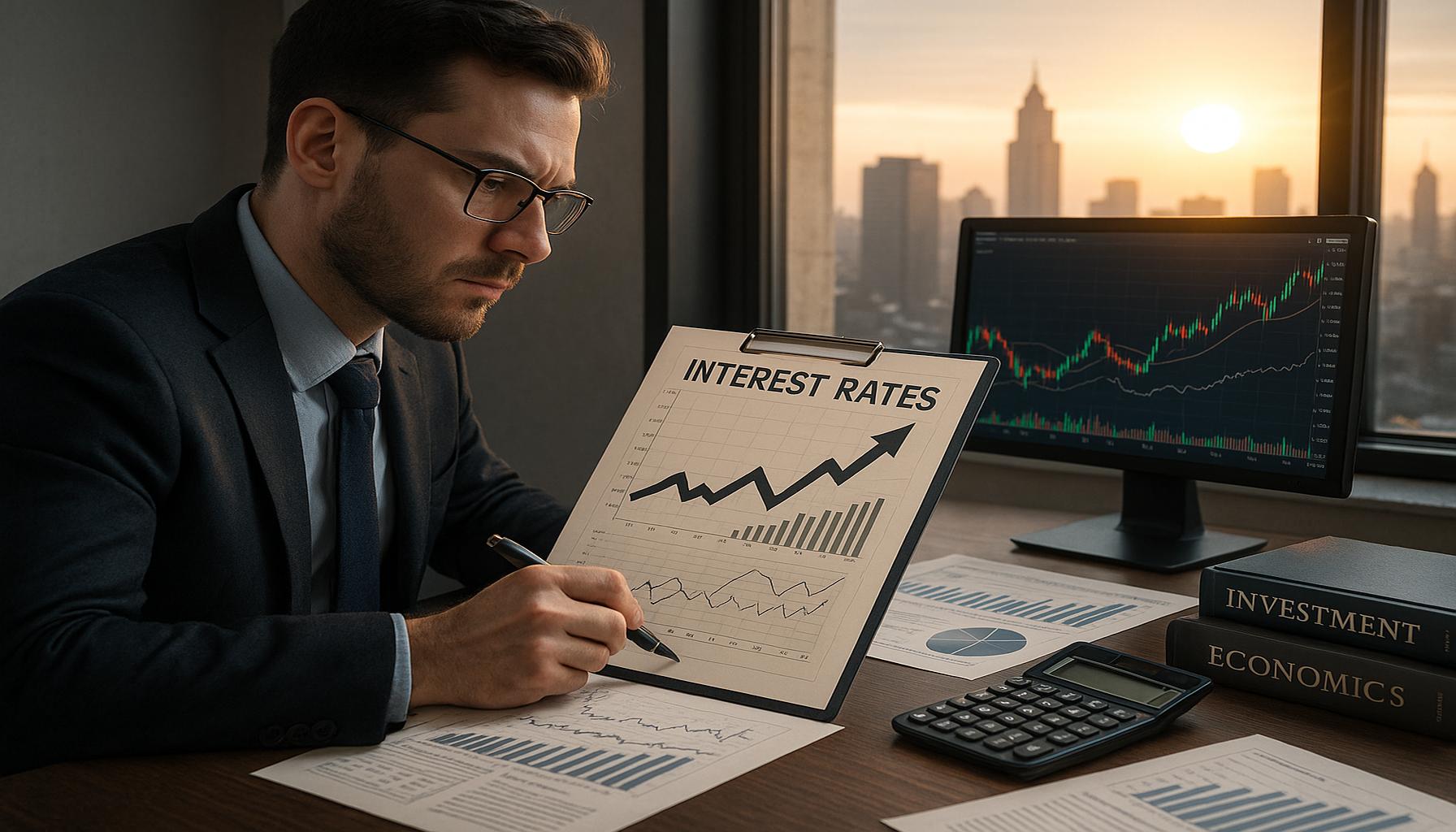
In an era where economic conditions are continually fluctuating, making sound investment decisions has never been more critical. The impact of interest rates is particularly significant, influencing a vast array of financial choices from everyday personal savings accounts to the multi-million dollar projects undertaken by corporations. By gaining insight into these relationships, you can approach your financial endeavors with increased confidence and clarity.
Interest rates directly affect your investments in various impactful ways. For instance, when the rates are high, the cost of borrowing increases dramatically. This situation can result in individuals thinking twice before applying for mortgages or personal loans, while businesses might hold back on expansion plans due to the increased financial burden. In contrast, when rates are low, borrowing becomes more attractive, spurring consumer spending and corporate investments. Depending on the economic cycle, you might witness a rush of activity in the real estate market or an uptick in small business loans.
Furthermore, interest rates influence the return on savings. When rates are low, the incentive to save diminishes, prompting many to shift their focus toward immediate consumption rather than long-term financial security. A real-life example is the current landscape where historically low rates have led many to invest in higher-risk assets in search of better returns, reflecting a fundamental shift in how Americans view saving and investing. Consequently, understanding this dynamic is essential for making informed financial choices.
The constant fluctuations in interest rates also contribute to market volatility. Sudden changes can lead to unpredictable market conditions, creating both challenges and opportunities for investors. For example, if the Federal Reserve signals an impending rate hike, stock markets may respond with uncertainty, prompting some to reconsider their positions. Thus, staying ahead of these trends is crucial for maintaining a healthy investment strategy.
Empowering Yourself with Knowledge
Preparing for economic changes is vital for developing a resilient investment strategy that will stand the test of time. Consider these empowering steps to help you navigate the financial landscape:
- Educate yourself: Stay informed by tracking interest rate forecasts and other essential economic indicators. Tools like financial news websites, government reports, and podcasts from trusted financial experts can be invaluable resources.
- Diversify your portfolio: Strive to balance risks across various asset classes, such as stocks, bonds, and real estate. Diversification can help protect your investments during market downturns and capitalizes on gains during favorable conditions.
- Consult with experts: Don’t hesitate to seek advice from financial professionals as your circumstances evolve. They can provide personalized guidance tailored to your financial goals and risk tolerance.
In a world that never stops changing, taking proactive measures ensures you remain ahead of the curve. By adopting a mindset focused on preparation and continuous learning, you can transform potential challenges into opportunities for financial growth. Embrace this journey with confidence, and allow yourself the possibility to thrive amidst the uncertainties of the economic landscape.
LEARN MORE: Click here to dive deeper
The Interplay Between Interest Rates and Investment Choices
The relationship between interest rates and investment decisions is both complex and profound. Understanding this connection empowers individuals and businesses alike to make informed choices that align with their financial goals. As interest rates fluctuate, so does the landscape of investment opportunities. The ripple effect often begins with the simple cost of borrowing. When interest rates rise, individuals are less inclined to finance homes or purchase vehicles, leading to a slowdown in consumer demand. This shift can subsequently hinder economic growth, as businesses experience reduced sales and may postpone expansion plans.
Conversely, when interest rates are low, borrowing becomes less burdensome, enticing consumers to invest in larger purchases. This surge in demand can create a domino effect, benefiting multiple sectors, particularly the housing market and durable goods industries. Elevated consumer confidence can prompt businesses to ramp up production, hire more employees, and reinvest in innovation—key elements that drive economic prosperity.
Furthermore, the impact of interest rates extends beyond direct borrowing costs. When rates decrease, returns on savings accounts also diminish, pushing many individuals toward more aggressive investment strategies in search of higher yields. For example, low interest rates have sparked a trend among Americans to flock towards the stock market and real estate investments, as traditional savings methods yield little growth. This behavioral shift highlights not only the significant role that interest rates play in shaping economic choices but also the importance of adaptability in personal financial strategies.
Another critical aspect to consider is the influence of interest rate fluctuations on market sentiment and behavior. Investors closely watch central banks and their monetary policies, understanding that any hints regarding upcoming rate changes can cause immediate volatility in markets. A sudden rise in rates can disrupt stock prices and trigger quick sell-offs. Therefore, having a proactive approach while remaining attuned to these changes is essential for healthy investment practices.
Strategies for Navigating Interest Rate Changes
To effectively manage the influence of interest rates on your investments, consider the following strategies that promote resilience and adaptability:
- Monitor economic indicators: Regularly keep an eye on interest rate trends, inflation data, and the overall economic climate. Reliable resources like the Federal Reserve announcements and economic reports can provide essential insights.
- Evaluate your debt: Take the time to assess your current debt situation. If you have high-interest loans, consider refinancing options when rates are low to reduce your financial burden.
- Adjust your investment strategy: During low interest rate periods, it may be wise to shift focus toward riskier assets that can potentially yield higher returns. Equally, in times of rising rates, a defensive approach might be required, such as moving towards fixed-income securities that remain stable.
In an ever-evolving economic landscape, being armed with knowledge and taking practical steps will allow you to navigate the complexities of interest rates with confidence. In turn, this proactive mindset can transform uncertain circumstances into opportunities for growth, fostering a mindset committed to financial wellness and stability.
DISCOVER MORE: Click here to dive deeper
Preparing for Economic Shifts: Building a Robust Financial Strategy
As the terrain of interest rates shifts, preparing for economic changes involves not only understanding the current fiscal landscape but also creating a robust financial strategy. This foresight can empower individuals and businesses to thrive, regardless of external conditions. Incorporating flexibility into your financial plans is essential, as it allows individuals to pivot their investment strategies in response to changing interest rates. For instance, if a forecast suggests rising interest rates, individuals might consider reallocating their portfolios toward sectors that tend to perform well during such periods, such as utility stocks or treasury bonds, which often provide stability and yield.
Additionally, establishing an emergency fund is a critical component of financial security. By saving a portion of your income during times of low interest rates, you set aside capital to weather future economic downturns. This reserve can act as a safety net, allowing you to seize investment opportunities when markets are volatile. Imagine being in a position to invest in undervalued assets or properties when others may be withdrawing—this strategic advantage can be pivotal for long-term wealth accumulation.
Furthermore, diversifying your investment portfolio can mitigate risks associated with interest rate fluctuations. Inclusion of a mix of asset types—such as stocks, bonds, real estate, and perhaps even commodities—enables you to balance out the volatility that often accompanies market shifts. When rates rise and bond prices fall, equities may surge if companies report strong earnings. Embracing an array of investments can thereby cushion against potential losses while capitalizing on growth opportunities across varying sectors.
The Role of Financial Education in Strategic Decision-Making
Investing in financial education can significantly enhance your ability to navigate the complexities of interest rates and economic changes. Keeping abreast of market trends and emerging financial instruments equips you with the knowledge to make intelligent decisions tailored to your unique circumstances. Workshops, webinars, and online courses often offer valuable insights into understanding economic indicators, interest rates, and their impacts on compound growth—all of which can sharpen your investment acumen.
Another proactive component of your financial education should be the development of a solid understanding of your risk tolerance. Knowing how much risk you are willing to take can help guide your investment choices and align them with your long-term financial goals. For instance, if you have a low-risk tolerance, focusing on bonds or dividend-paying stocks might be more suitable, especially in an environment where interest rates are fluctuating. Conversely, if you are more risk-tolerant, exploring growth stocks or emerging market assets could unlock potential high returns when economic conditions are right.
In conclusion, as you strive to optimize your financial future, it’s crucial to internalize the lessons drawn from interest rate movements. By implementing adaptable strategies, diversifying your investment portfolio, and committing to lifelong financial education, you create a financial framework that not only endures fluctuations but thrives amidst them. With thoughtful preparation and an informed approach, you can transform economic challenges into opportunities for sustainable growth and financial freedom.
LEARN MORE: Click here to discover the connection between finances and mental health
Embracing Financial Resilience Through Informed Choices
In navigating the dynamic landscape of interest rates and their impact on investment decisions, understanding and preparation are not just beneficial—they are essential. The ability to adapt to economic changes is crucial as interest rates fluctuate, affecting everything from borrowing costs to overall market sentiment. By actively incorporating flexibility into financial strategies, individuals and businesses can position themselves to respond adeptly to both opportunities and challenges that arise in the market.
Establishing a solid emergency fund and diversifying investment portfolios creates a foundation of security, enabling investors to weather downturns and seize profitable opportunities as they arise. The embrace of financial education empowers individuals to make informed choices, cultivating a deeper understanding of risk tolerance and market dynamics. By continually seeking knowledge, you enhance your capacity to navigate the complexities of interest rates and their ripple effects on investment strategies.
Ultimately, the goal is not merely to endure financial fluctuations but to thrive amid them. By implementing effective financial practices, staying informed, and fostering adaptability, you can create a path not just toward recovery but towards enduring prosperity. Remember, each change in interest rates presents a chance for strategic advantage. With conscious planning and proactive decision-making, you can transform potential obstacles into stepping stones toward a more secure and wealthy future.